Why Foundation Waterproofing Can Save You Thousands in Repairs?
Foundation waterproofing is one of the most critical yet often overlooked aspects of home maintenance. Water intrusion at the foundation level can silently weaken structural integrity, lead to mold growth, and cause extensive damage that escalates repair costs over time. In many residential and commercial properties, early signs of water seepage are ignored until visible cracks, damp walls, or basement flooding appear. By that stage, repair expenses can multiply significantly, making prevention far more cost-effective than restoration. Over time, even minor leaks can evolve into major structural failures that demand complex engineering repairs. Seasonal changes and soil movement further intensify the problem if left unaddressed.
Water damage does not remain localized; it gradually spreads through concrete pores, soil pressure points, and internal building materials. This process compromises not only the foundation but also the flooring systems, insulation, and even electrical installations. Proper waterproofing creates a protective barrier that prevents moisture penetration and stabilizes the structure against seasonal soil expansion and contraction. Homeowners who invest early in foundation protection often avoid costly structural repairs, insurance claims, and long-term depreciation of property value. In addition, it helps maintain indoor air quality and prevents hidden deterioration that often goes unnoticed until severe damage has already occurred.
Understanding Foundation Water Damage Risks
How Water Becomes a Structural Threat
Water is one of the most destructive natural forces affecting buildings. When it accumulates around a foundation, hydrostatic pressure begins to build against basement walls and slab surfaces. Over time, this pressure forces moisture through tiny cracks and weak points in concrete. Once inside, it accelerates deterioration through freeze-thaw cycles, corrosion of reinforcement steel, and weakening of load-bearing materials.
Common Entry Points for Moisture
Moisture typically enters through:
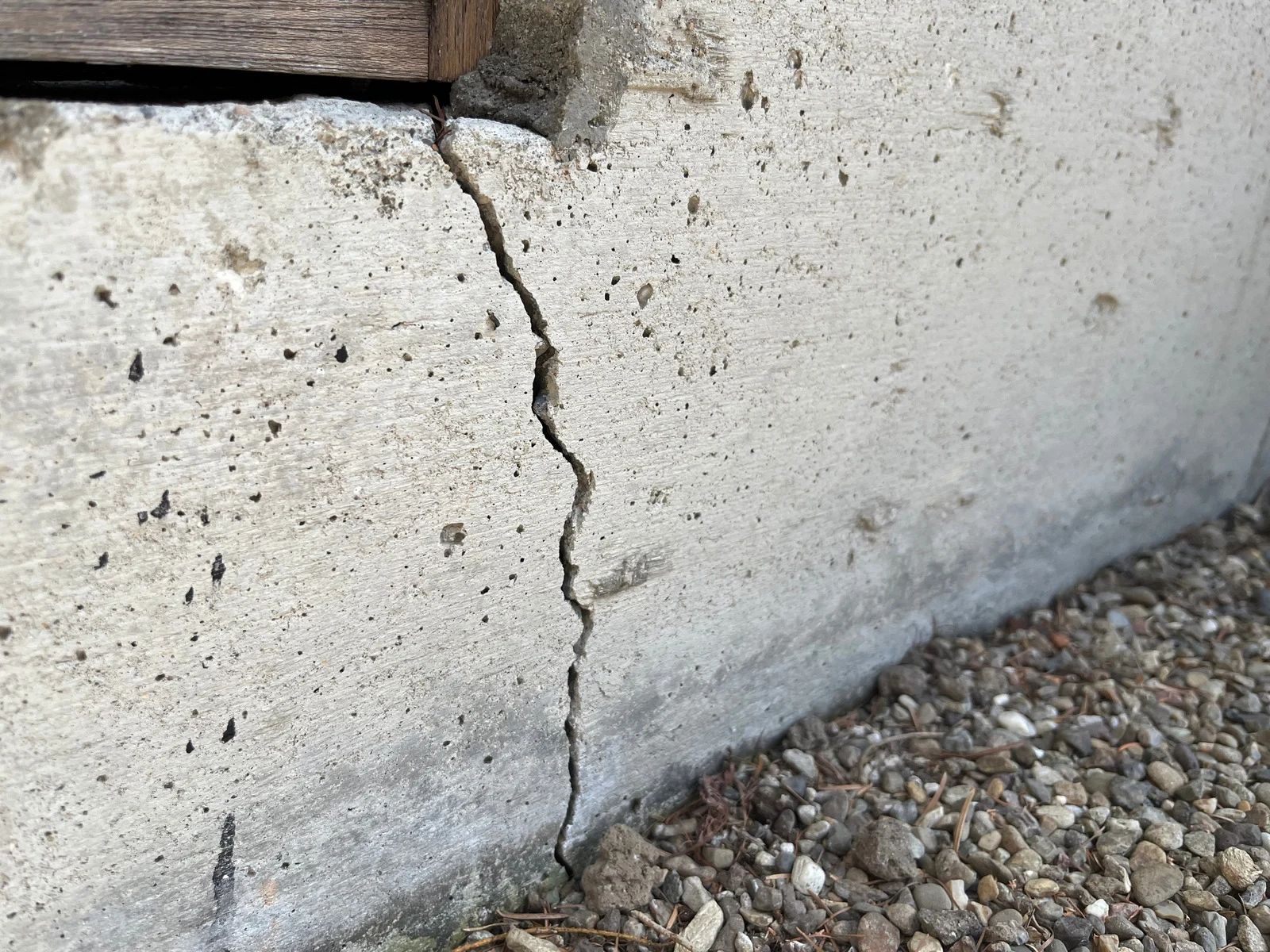
- Hairline cracks in concrete walls or floors
- Poor drainage systems around the property
- Gaps in foundation joints and utility openings
- High groundwater levels in certain regions
Even minor seepage can escalate if left untreated. In many cases, homeowners notice musty odors or slight dampness, unaware that structural degradation is already underway.
Long-Term Cost Implications
Ignoring early signs of water intrusion often leads to expensive interventions such as basement reconstruction, foundation underpinning, or mold remediation. These repairs can cost thousands of dollars, especially when damage spreads to flooring, drywall, and insulation systems.
Key Benefits of Foundation Waterproofing
Preventing Structural Deterioration
One of the most important advantages of waterproofing is the prevention of long-term structural damage. A sealed foundation remains stable under varying soil and weather conditions throughout seasonal changes. This reduces the risk of cracks, shifting walls, and uneven settling that can compromise the entire building’s safety and durability over time.
Reducing Mold and Health Risks
Moist environments create ideal conditions for mold and mildew growth inside foundation spaces and basements. Once mold develops inside foundation walls or basements, it can spread rapidly through ventilation systems and hidden cavities. This not only damages property but also affects indoor air quality, leading to respiratory issues, allergies, and long-term health concerns.
Improving Property Value
A well-protected foundation significantly enhances overall property value and market appeal. Buyers and inspectors view waterproofed structures as lower-risk investments with fewer future liabilities. Homes with documented waterproofing systems often sell faster and at higher prices compared to properties with visible moisture issues or recurring structural concerns.
Lowering Long-Term Maintenance Costs
Waterproofing reduces the need for frequent repairs such as repainting damp walls, replacing damaged flooring, or fixing cracked foundations repeatedly. This results in substantial long-term savings over the life of the structure, making it a financially strategic investment that reduces unexpected maintenance burdens significantly.
Effective Waterproofing Methods and Technologies
Exterior Waterproofing Systems
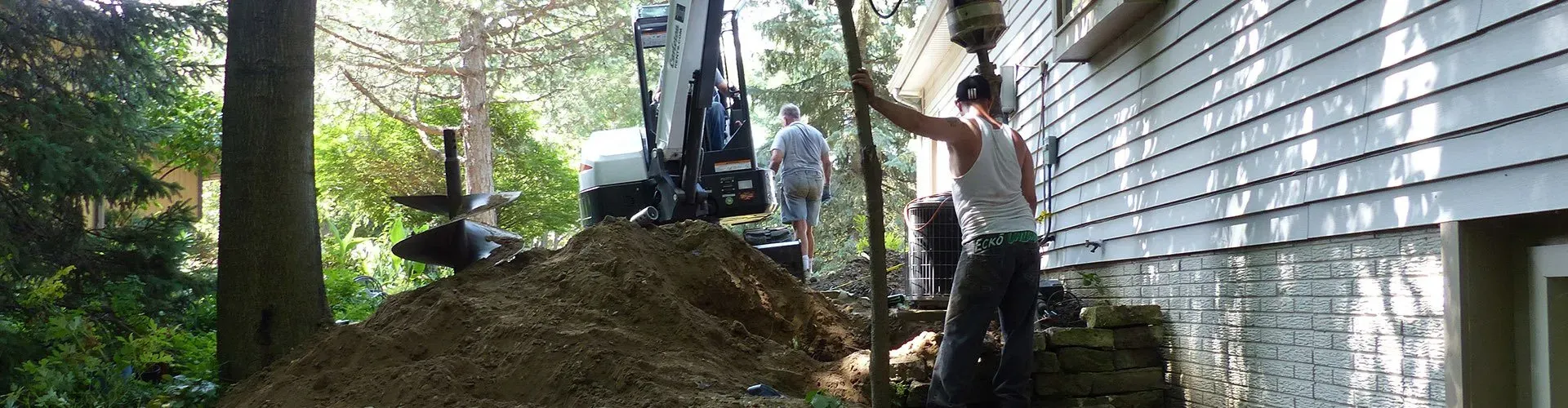
Exterior waterproofing is one of the most reliable methods for preventing water intrusion into foundations effectively. It involves applying protective membranes, drainage boards, and specialized coatings to the outer foundation walls. This system blocks moisture before it enters the structure and redirects water safely away from the building perimeter.
Interior Waterproofing Solutions
Interior systems focus on managing water that has already entered the foundation perimeter or basement areas. These include sump pumps, vapor barriers, and interior drainage channels installed along the foundation floor edges. While not a replacement for exterior protection, they provide an additional layer of defense in high-risk areas.
Drainage Optimization Techniques
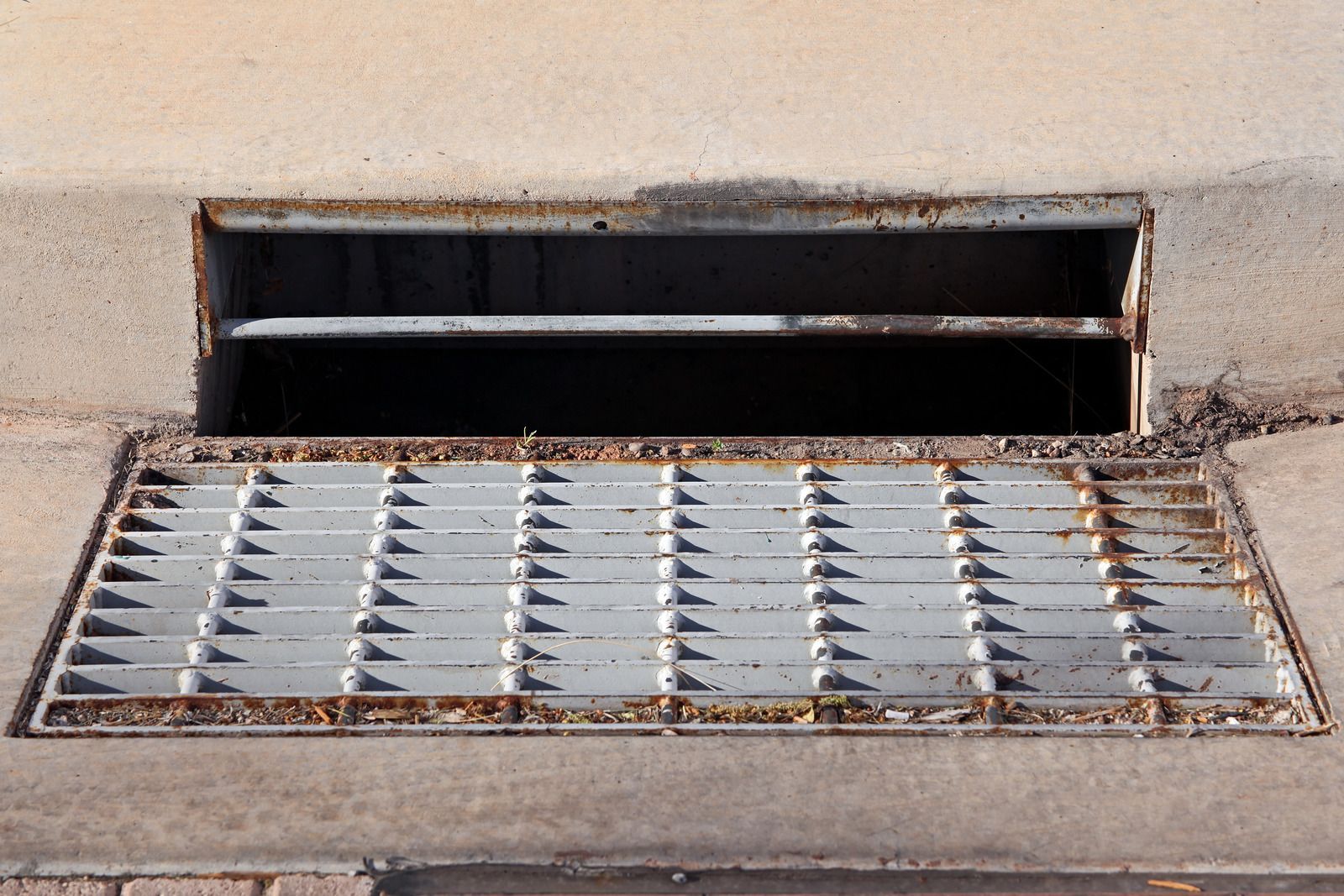
Proper drainage is essential for maintaining a dry and stable foundation environment year-round. Techniques such as French drains, grading adjustments, and extended gutter systems ensure that water flows away from the structure instead of accumulating around it. Poor drainage is one of the leading causes of foundation moisture problems overall.
Crack Injection and Sealants
Epoxy and polyurethane injections are used to seal existing cracks in foundation walls and prevent further leakage effectively. These materials expand within the crack, creating a strong waterproof barrier that restores structural integrity and prevents additional moisture penetration over time and seasonal soil movement.
Advanced Waterproofing Membranes
Modern waterproofing membranes offer high durability, flexibility, and long-term resistance against moisture penetration. They adapt to foundation movement while maintaining a continuous protective layer across surfaces. These materials are especially effective in areas with extreme weather variations, freeze-thaw cycles, and high groundwater pressure conditions.
Warning Signs and Prevention Strategies
Early Indicators of Foundation Moisture Issues
Recognizing early warning signs can prevent major structural damage and costly repairs in future. Common indicators include damp or discolored basement walls, peeling paint, efflorescence on concrete surfaces, musty odors in lower levels of the building, and small cracks that gradually widen over time slowly.
Importance of Regular Inspections
Routine foundation inspections help identify vulnerabilities before they escalate into serious structural problems. Seasonal checks, especially after heavy rainfall or snowmelt periods, ensure that drainage systems and waterproof barriers are functioning correctly. Early detection allows timely intervention and significantly reduces long-term repair costs effectively.
Landscaping and Water Management Practices
Proper landscaping plays a crucial role in foundation protection and long-term moisture control around structures. Sloping soil away from the foundation, maintaining clean gutters, and preventing water accumulation near walls are simple yet highly effective preventive measures that reduce hydrostatic pressure on foundation surfaces.
Professional Waterproofing Assessments
Expert evaluation ensures that hidden risks are identified using advanced diagnostic tools and techniques. Moisture meters, infrared scanning, and structural analysis help detect problems that are not visible to the naked eye. Professional assessments provide accurate insights for targeted waterproofing solutions and long-term structural protection planning.
Financial Impact: Why Prevention Saves Thousands
Cost Comparison: Prevention vs Repair
Preventive waterproofing typically costs a fraction of major structural repairs and reconstruction work. While waterproofing systems may require an upfront investment, foundation restoration, mold removal, and structural reinforcement can become significantly more expensive if damage progresses unchecked over months or years continuously.
Avoiding Secondary Damage Costs
Water intrusion often leads to secondary issues such as damaged flooring, compromised insulation, weakened drywall, and electrical system failures within structures. These additional repairs can quickly multiply overall expenses beyond initial expectations, making early waterproofing a financially smart decision for long-term property protection overall.
Insurance Limitations and Out-of-Pocket Expenses
Many insurance policies do not fully cover gradual water damage or long-term seepage issues affecting foundations. This means homeowners may bear significant out-of-pocket costs if waterproofing is neglected over time. Preventive action reduces dependency on uncertain insurance claims and minimizes financial risk exposure significantly.
Long-Term Asset Protection
A stable, waterproof foundation preserves the overall lifespan and structural reliability of a property for decades. This ensures that the building remains safe, functional, and structurally sound over time, reducing the need for major renovations, costly rebuilding projects, or premature structural replacements throughout ownership periods.
Experienced Teams Delivering Advanced Foundation Protection Systems
Foundation waterproofing is not just a maintenance task; it is a critical investment in structural safety, financial protection, and long-term property value. Water damage begins silently but escalates quickly, often resulting in repairs that cost thousands of dollars more than early prevention measures. By implementing effective waterproofing systems, maintaining proper drainage, and addressing early warning signs, property owners can significantly reduce risk and avoid unnecessary expenses. A dry and stable foundation ensures durability, safety, and peace of mind for years to come.
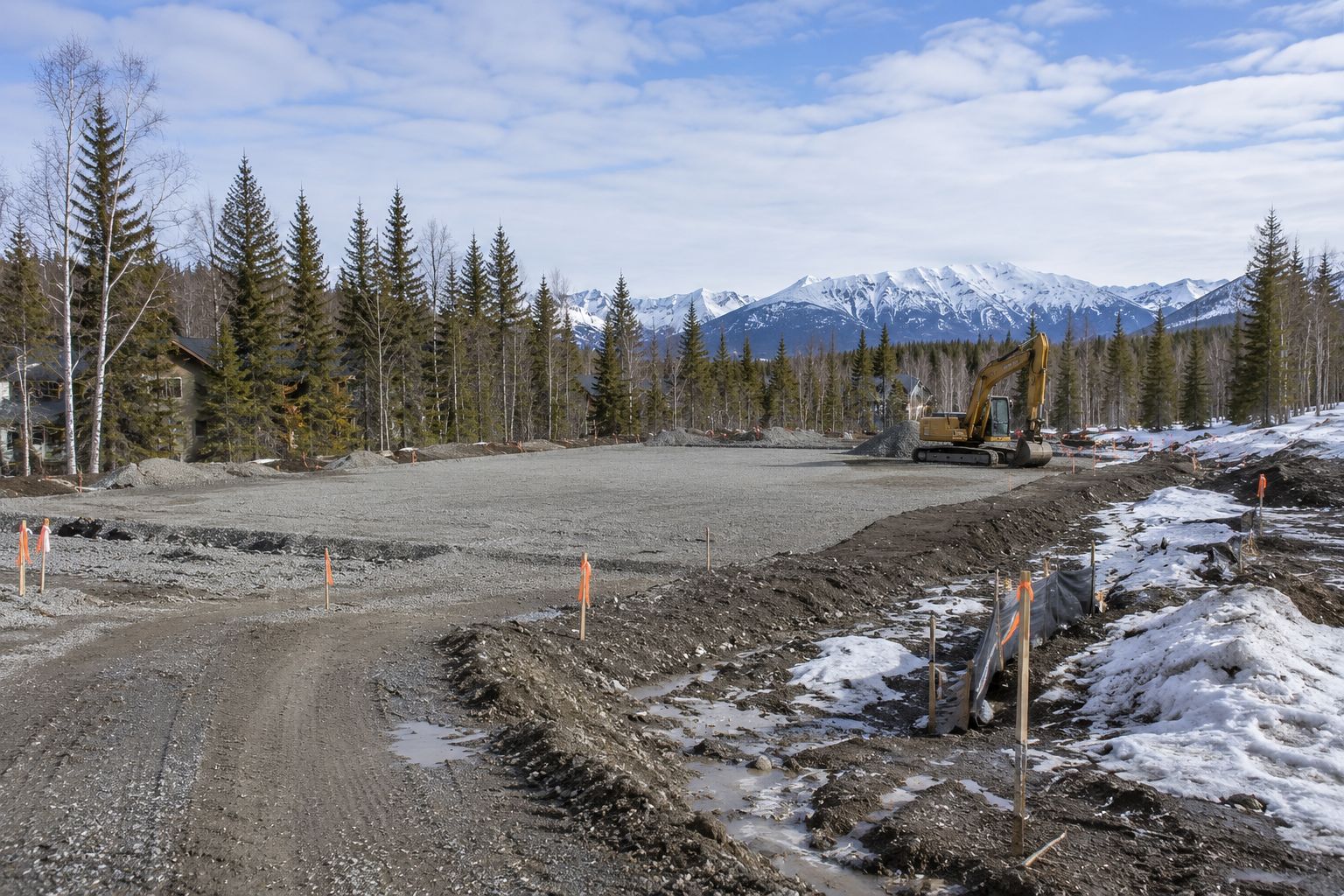
Foundation protection requires experience, precision, and a deep understanding of soil behavior and structural engineering. In demanding climates like Alaska, where freeze-thaw cycles and moisture levels constantly challenge building integrity, expert intervention becomes even more essential. Reliable waterproofing solutions ensure that homes and commercial structures remain secure against environmental stress and long-term deterioration. Professional execution not only prevents immediate water intrusion but also safeguards against future structural instability. With decades of field experience and a strong commitment to quality workmanship, trusted service providers deliver lasting protection that preserves both safety and investment value for property owners across challenging environments.
AA Dirtwork & Snow Removal, based in Anchorage, Alaska, brings 33
years of experience in delivering dependable groundwork and foundation-related solutions. Over decades of service, consistent focus has remained on durability, precision, and long-term performance in every project undertaken. Extensive knowledge of Alaskan soil conditions and extreme weather patterns allows us to implement strategies that effectively combat moisture intrusion and foundation instability. Every project is approached with a commitment to protecting property value and ensuring structural resilience. By combining traditional expertise with modern techniques, we provide solutions that stand strong against time and environmental pressure. Our work reflects reliability, trust, and a proven legacy of excellence in foundation protection and site preparation services.