Foundation Waterproofing Done Right: Protecting Your Home from Water Damage
Water intrusion is one of the most underestimated threats to residential structures, yet it consistently ranks among the leading causes of long-term foundation damage. A home’s foundation is designed to provide stability and strength, but it is constantly exposed to soil moisture, groundwater pressure, and seasonal weather changes. Without proper protection, water can slowly penetrate concrete, weaken structural integrity, and create costly repair situations that escalate over time. Foundation waterproofing is not just a preventive measure; it is a critical investment in preserving property value and ensuring long-term safety. Over time, even minor seepage can lead to hidden deterioration that compromises reinforcement materials inside the structure. These issues often remain unnoticed until visible damage appears, making early prevention essential for cost control and safety.
In modern construction and home maintenance practices, foundation waterproofing has become a standard expectation rather than an optional upgrade. Advances in materials, drainage systems, and sealant technologies have made it possible to effectively control water movement around a structure. However, the effectiveness of these solutions depends heavily on correct application and proper site assessment. When executed with precision, waterproofing can significantly reduce risks such as basement flooding, mold growth, soil expansion damage, and interior moisture issues that affect both comfort and health inside the home. Proper planning and material selection also ensure that protection systems remain durable under changing environmental conditions. This makes professional-grade waterproofing essential for long-term structural resilience and reduced maintenance costs.
Understanding Foundation Water Intrusion
How Water Enters a Foundation System
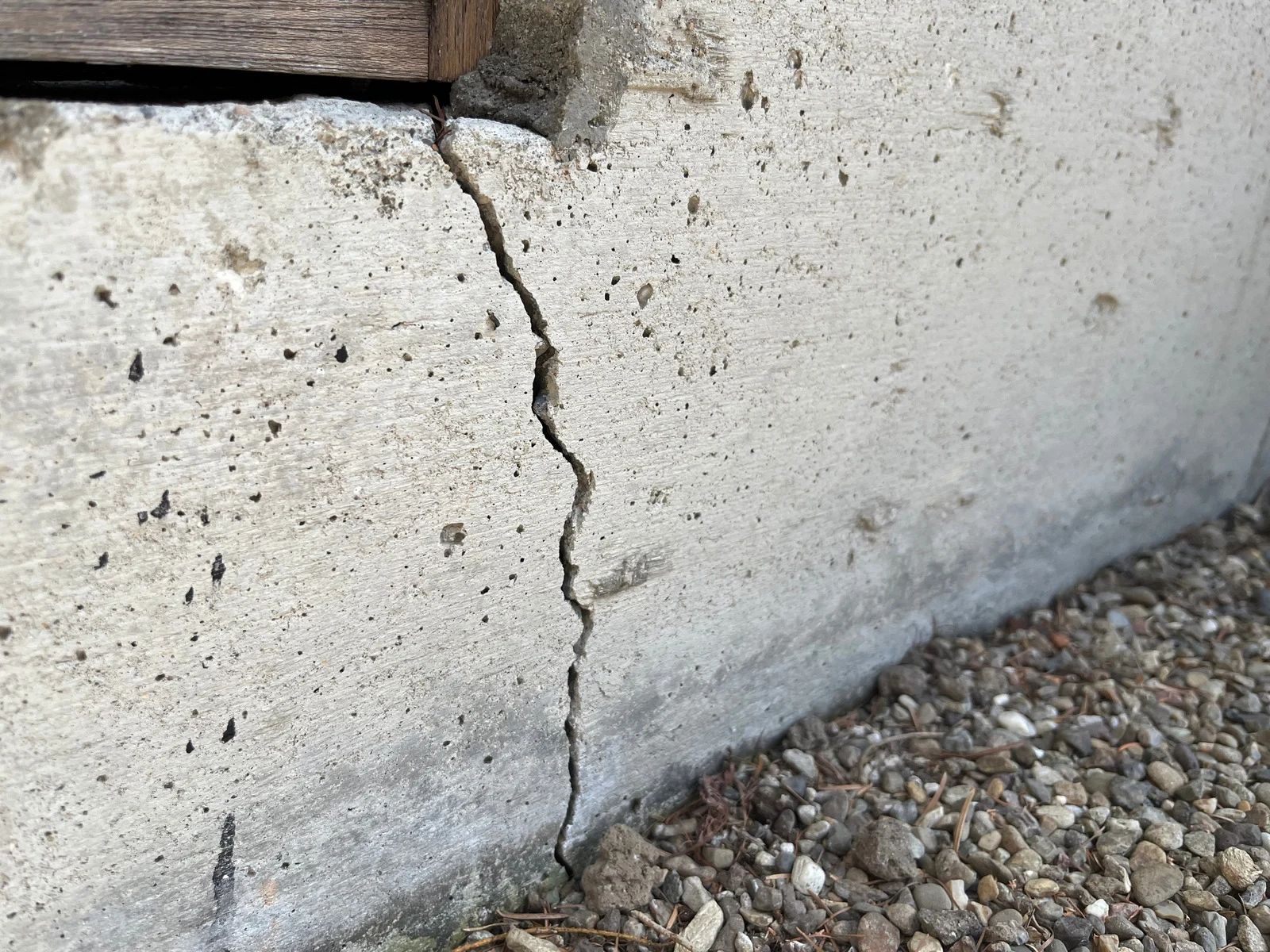
Water intrusion occurs when moisture finds pathways through cracks, joints, or porous concrete surfaces. Soil surrounding a foundation naturally retains moisture, and hydrostatic pressure builds when the ground becomes saturated. This pressure forces water against foundation walls and floors, eventually exploiting weak points. Even hairline cracks can become entry points over time, allowing seepage that may go unnoticed until significant damage appears.
Capillary action also plays a major role, where water is drawn upward through microscopic pores in concrete. In regions with fluctuating water tables or heavy rainfall, this process intensifies, making foundation waterproofing essential for long-term protection.
Common Warning Signs of Water Damage
Early detection of water intrusion can prevent expensive structural repairs. Common indicators include damp basement walls, peeling paint, musty odors, efflorescence (white salt deposits), and visible cracks expanding over time. In severe cases, flooring may warp, and walls may show signs of bowing due to external pressure.
Ignoring these symptoms allows moisture to persist, which can lead to mold growth and deterioration of reinforcement materials within concrete structures.
Environmental and Soil Factors
Soil composition significantly impacts how water interacts with a foundation. Clay-heavy soil retains moisture and expands when wet, exerting additional pressure on foundation walls. Sandy soil, while draining faster, can shift and reduce stability if not properly compacted. Seasonal freeze-thaw cycles further complicate conditions, especially in colder climates, where expanding ice increases structural stress.
Understanding these environmental factors is essential before designing a waterproofing strategy that ensures long-term resilience.
Interior Waterproofing Solutions and Drainage Systems
Interior Sealants and Coatings
Interior waterproofing focuses on managing moisture that has already entered or is likely to enter the structure. Specialized sealants are applied to basement walls and floors to block minor seepage. These coatings are designed to bond with concrete surfaces, reducing porosity and limiting water absorption.
While effective for surface-level moisture control, interior sealants work best when combined with external solutions. They act as a secondary barrier rather than a standalone fix.
Drainage Channels and Sump Pump Systems
Interior drainage systems are designed to redirect water away from the foundation before it accumulates. Perimeter drains installed beneath basement floors collect water and channel it toward a sump pump system. The sump pump then actively removes water from the property, preventing flooding during heavy rainfall or groundwater rise.
A properly installed sump system is one of the most reliable defenses against basement water accumulation. Regular maintenance ensures consistent performance during peak weather conditions.
Vapor Barriers and Moisture Control
Vapor barriers are essential in controlling humidity levels inside basements. These thick plastic or polymer sheets are installed along walls or floors to prevent moisture diffusion. When paired with ventilation systems, vapor barriers help maintain a dry and stable indoor environment.
This approach is especially useful in finished basements where moisture can damage insulation, flooring, and interior finishes.
Exterior Foundation Waterproofing Techniques
Excavation and Waterproof Membranes
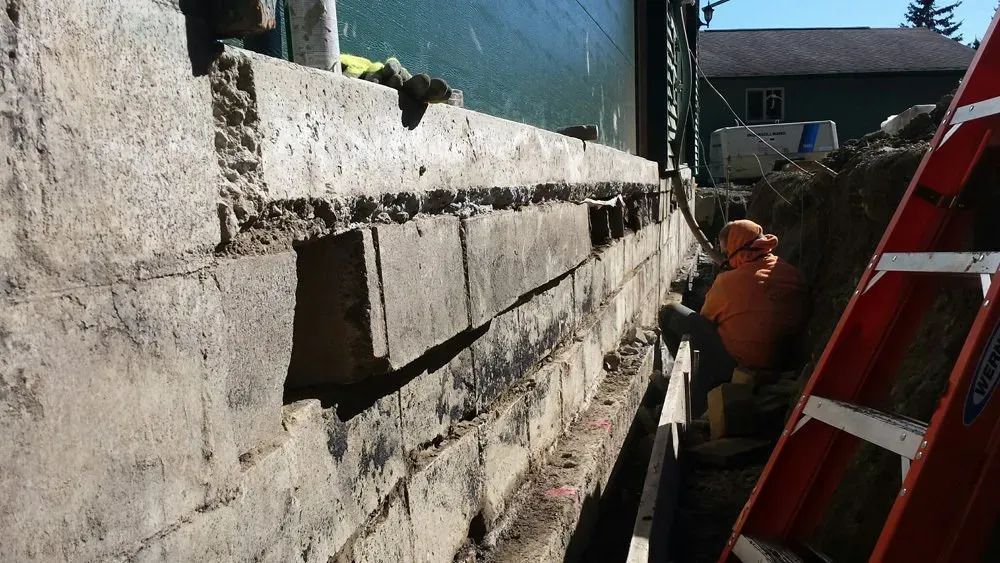
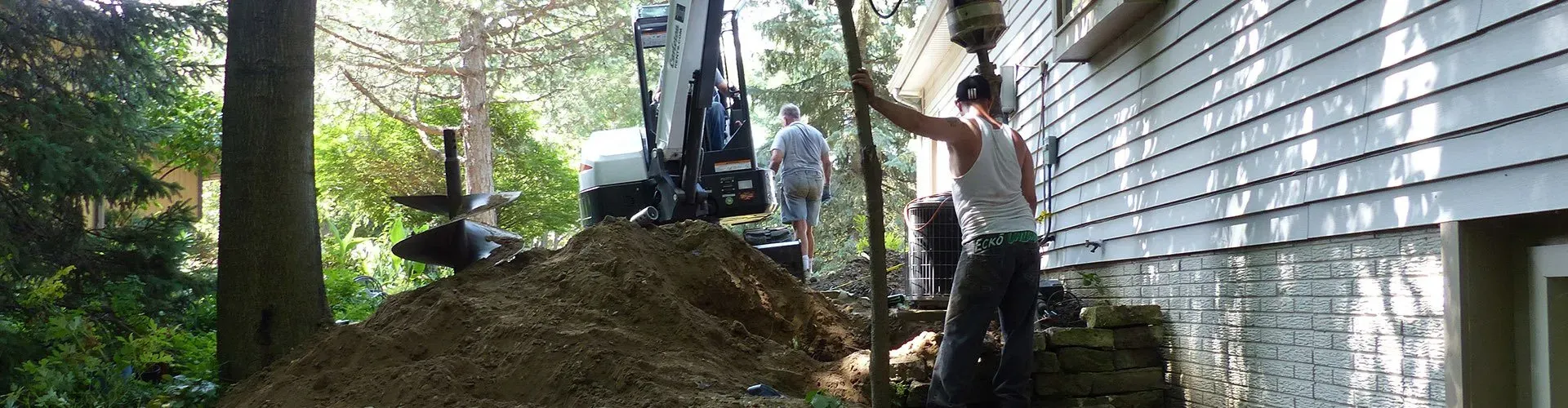
Exterior waterproofing is widely considered the most effective long-term solution. It involves excavating soil around the foundation to expose walls for treatment. Once exposed, surfaces are cleaned, repaired, and coated with waterproof membranes that form a seamless barrier against moisture.
These membranes can be liquid-applied or sheet-based, depending on site requirements. Their primary role is to block water from ever entering the foundation material itself, offering superior protection compared to interior methods.
Drain Tile Systems and Gravel Backfill
Drain tile systems, often installed at the base of the foundation, collect groundwater and redirect it away from the structure. These perforated pipes are surrounded by gravel, which enhances water flow and prevents clogging. The system works in conjunction with proper grading to ensure water naturally moves away from the home.
Gravel backfill improves drainage efficiency and reduces hydrostatic pressure against foundation walls, making it a critical component of exterior waterproofing.
Soil Grading and Surface Water Management
Improper grading is one of the most common causes of foundation water issues. When soil slopes toward a home instead of away from it, rainwater accumulates near the foundation, increasing saturation risk. Correct grading ensures that surface water flows outward, reducing pressure on underground structures.
Downspouts and gutter systems also play a major role in surface water control. Extending downspouts away from the foundation prevents roof runoff from pooling near the base of the structure.
Advanced Waterproofing Materials and Modern Techniques
Crystalline Waterproofing Technology
Crystalline waterproofing is an advanced method where chemical compounds penetrate concrete and react with moisture to form insoluble crystals. These crystals fill micro-cracks and pores, effectively sealing the structure from within. This self-healing property makes it highly durable and ideal for long-term applications.
Unlike surface coatings, crystalline systems become part of the concrete itself, offering permanent resistance to water intrusion.
Polyurethane and Epoxy Injection Systems
Crack injection systems are used to repair and seal existing foundation fractures. Polyurethane expands upon contact with water, making it ideal for active leaks. Epoxy, on the other hand, provides structural reinforcement for dry or stabilized cracks.
These methods restore integrity without requiring extensive excavation, making them efficient for targeted repairs.
Drainage Membranes and Protection Boards
Modern waterproofing often includes the installation of drainage membranes that create air gaps between soil and foundation walls. These membranes allow water to flow downward into drainage systems while protecting waterproof coatings from damage caused by soil movement.
Protection boards add an additional layer of durability, shielding membranes during backfilling and long-term soil pressure.
Maintenance, Inspection, and Long-Term Protection
Routine Inspection Practices
Regular inspection of foundation systems is essential for early problem detection. Checking for cracks, moisture spots, and drainage performance helps identify issues before they escalate. Seasonal inspections are particularly important after heavy rainfall or snowmelt periods.
Monitoring sump pump functionality and ensuring discharge lines remain clear prevents unexpected system failures during critical moments.
Preventive Maintenance Strategies
Preventive maintenance includes cleaning gutters, extending downspouts, and ensuring proper yard grading is maintained. Small adjustments can significantly reduce water accumulation around foundations.
Sealant reapplication and drainage system flushing should be scheduled periodically to maintain optimal performance. Preventive care is always more cost-effective than emergency repairs.
Long-Term Structural Benefits
Proper waterproofing extends the lifespan of a foundation by minimizing exposure to moisture-related stress. It also improves indoor air quality by reducing mold and mildew risks. Over time, homeowners benefit from reduced repair costs, improved property value, and enhanced structural stability.
A well-protected foundation ensures the entire home remains secure, regardless of external weather conditions or soil behavior.
Expert Solutions Delivering Reliable Waterproofing Results Consistently
Foundation waterproofing is a critical component of responsible home ownership, directly influencing structural durability and long-term maintenance costs. From interior drainage systems to advanced exterior membrane applications, each method plays a role in controlling water movement and protecting the foundation from gradual deterioration. Understanding soil behavior, drainage dynamics, and material performance allows for more informed decisions and more effective protection strategies. When implemented correctly, waterproofing significantly reduces the risk of moisture damage, structural instability, and costly future repairs.
Reliable foundation protection demands experience, precision, and a deep understanding of environmental challenges. With decades of field expertise and a strong commitment to quality workmanship, dependable solutions are delivered that address both immediate concerns and long-term structural health. Every project is approached with careful assessment, ensuring that soil conditions, drainage patterns, and structural vulnerabilities are fully considered before implementation begins. This methodical approach ensures that waterproofing systems are not only effective but also durable under extreme conditions.
AA Dirtwork & Snow Removal
operates in Anchorage, Alaska, bringing 76 years of experience in managing demanding ground conditions and structural protection challenges. Extensive field knowledge allows for the execution of foundation waterproofing solutions that stand up to harsh weather, shifting soils, and persistent moisture exposure. Every service is guided by a commitment to reliability, precision, and long-term performance, ensuring that homes remain protected against water damage for years to come.