Foundation Heaving or Doors Sticking Every Winter? Here's What Frost Heave Is Doing Underground
Quick Answer: A door that sticks every winter and swings free again by summer is usually being pushed by frost heave, not a failing foundation. As the ground freezes, moisture is drawn upward and forms ice lenses that expand and lift shallow soil unevenly, nudging a foundation, grade beam, or stoop out of square. Because that ice melts every spring, the movement is seasonal: the same door sticks again next winter, and a hairline crack widens in January and narrows by July. True structural settlement moves one direction year-round and never gives that ground back. Alaska's deep frost depth and patchy, discontinuous permafrost make this an unusually common pattern, and the lasting fix is correcting the grading, drainage, and footing depth that let frost reach and lift the soil in the first place.
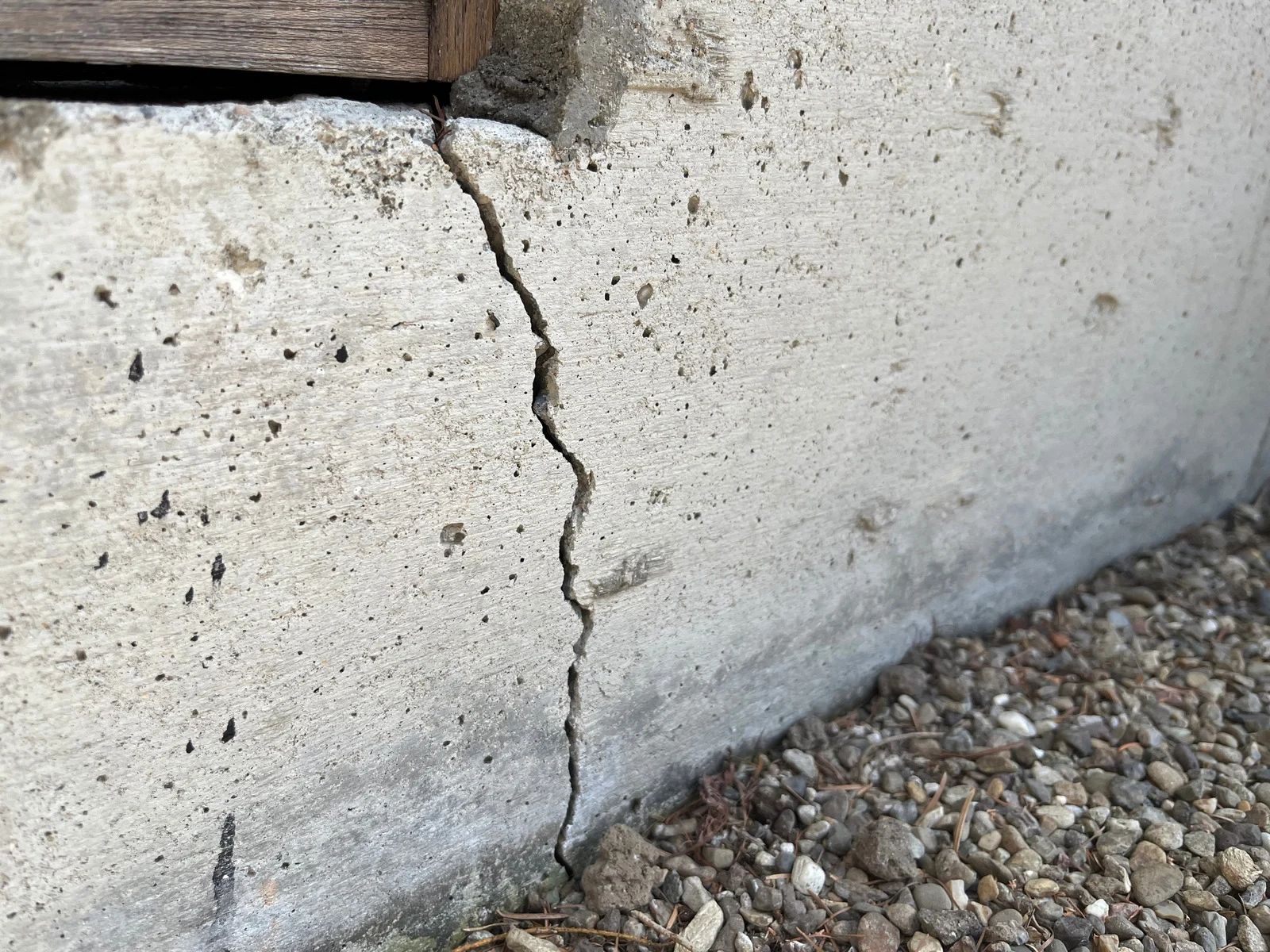
The door to the mudroom has stuck every November since you moved in. You plane a sliver off the bottom edge, it swings fine through the summer, and then the first hard freeze comes around and it's binding against the jamb again. A crack near the garage slab does something similar: it's a hairline in July, wider by February, and by the time the snow is gone it's narrowed back down almost to nothing. If you've chalked this up to an old house settling with age, it's worth a second look, because that pattern isn't settling at all. It's frost heave, one of the most common things a foundation and excavation crew gets called out to look at once the ground starts to freeze.
Frost heave and structural settlement can look almost identical from inside the house: a door that won't latch, a crack that wasn't there last year, a floor that feels slightly off in one corner. But they come from opposite directions underground, and mixing them up leads to the wrong fix. Here's what's actually happening beneath a heaving foundation, why Alaska sees more of it than most of the country, and how to read the seasonal pattern before deciding what, if anything, needs to change.
What Frost Heave Actually Is, Underground
Freezing Water Expands Underground
Water expands roughly nine percent when it freezes, whether inside a bottle or within soil pores beneath a footing. That expansion becomes a foundation concern when freezing moisture creates pressure underground, forcing surrounding soil upward and potentially affecting structures above it.
Ice Lenses Push Soil Upward
As freezing moves downward, capillary action draws moisture from deeper soil toward the freezing zone. There, water accumulates into ice lenses that grow thicker and push soil upward. Footings, slabs, stoops, and grade beams can rise unevenly as moisture conditions vary.
Three Conditions Must Align
Frost heave requires freezing temperatures, frost-susceptible soil, and a nearby water source. Silts and some clays are vulnerable, while clean sand and gravel resist heaving. Removing any condition limits movement, so solutions typically focus on drainage and soil management.
Why This Is Such a Common Problem in Alaska
Frost heave happens anywhere winters get cold enough, but Alaska sees a heavier, more persistent version of it than most of the country, for a few specific reasons tied to how deep and how long the ground here actually freezes.
The Frost Line Runs Far Deeper
In much of the country, footings sit only a foot or two below grade. Around Southcentral Alaska, frost depths commonly reach 42 inches or more, while northern and inland areas can require deeper foundations, increasing exposure to frost-related movement.
Permafrost Is Patchy Across Most Areas
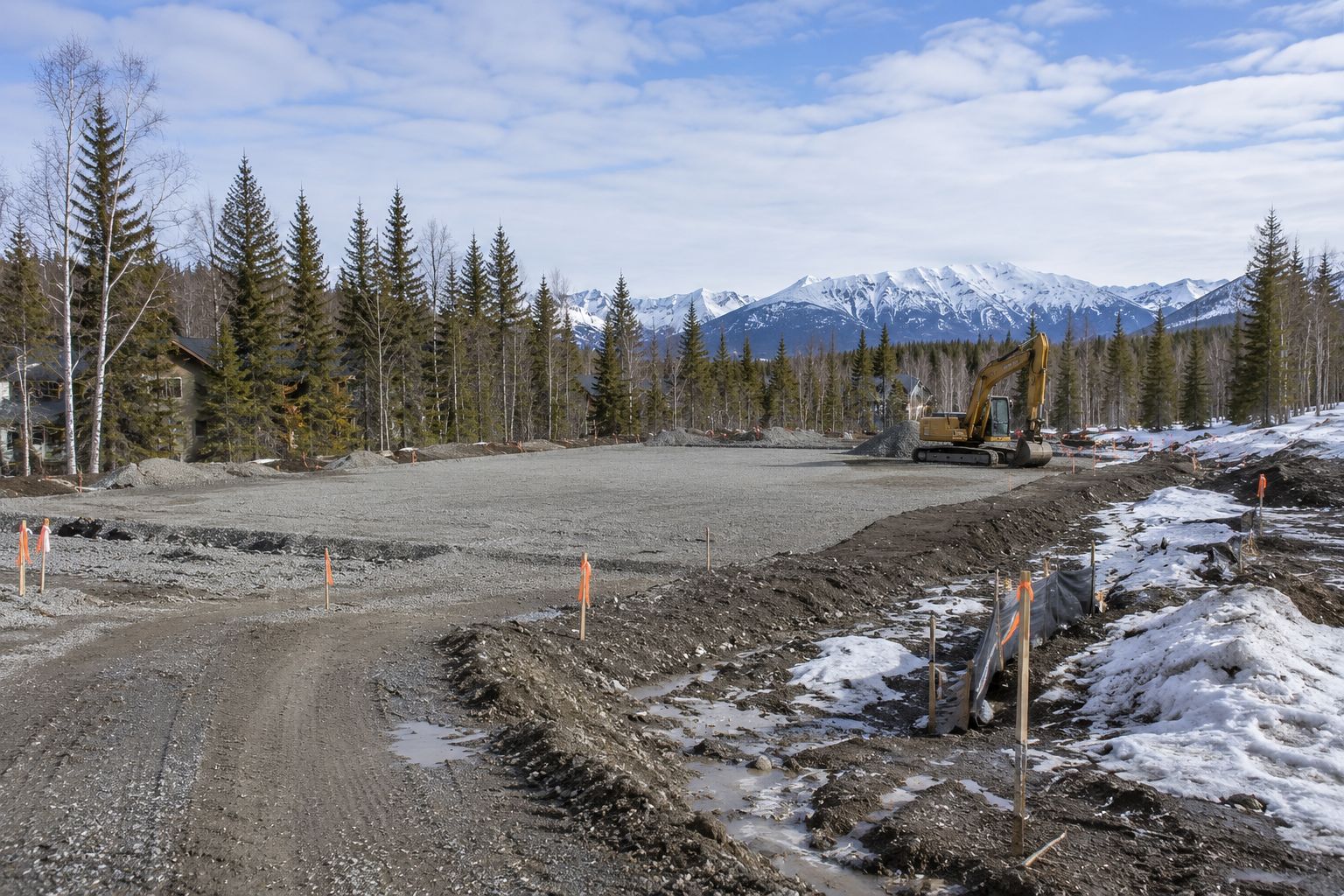
Outside Alaska’s continuous northern permafrost zone, frozen ground is often discontinuous or sporadic. Permafrost may exist beneath one section of a lot but disappear nearby, causing different foundation areas to respond differently and increasing the risk of uneven movement.
Long Freezes Give Ice Lenses Time
A brief cold snap rarely moves significant soil. Alaska’s long winters allow frost fronts to remain active for months, giving ice lenses extended time to draw moisture and grow. Greater lens growth means more heave before spring thaw finally releases pressure.
The Seasonal Pattern That Tells You It's Frost Heave, Not Settlement
This is the distinction that actually matters, because the two problems call for different responses.
Frost Heave Moves With The Seasons
Frost heave is seasonal and reversible. A door that sticks badly in January but opens normally by July may reflect temporary ice movement. Cracks that widen during winter and partially close after thawing show the same pattern, distinguishing seasonal heave from progressive foundation failure.
Settlement Moves In One Direction
Structural settlement generally progresses rather than reversing. Soil beneath a footing may compress, erode, or lose support without recovering during summer. Cracks that grow wider each year, or doors that remain increasingly difficult to close, suggest ongoing soil movement requiring closer evaluation.
Multiple Openings Can Reveal Broad Heave
When several doors, windows, or cracks change simultaneously each winter, broad frost movement is more likely than one isolated weak spot. The pattern often appears on wetter sides of the house, especially where downspouts, snowmelt, or poor drainage keep soil saturated.
WARNING: Don't treat a seasonally sticking door as solved just because you plane it down or shim it for a season. If the same door, window, or crack keeps coming back every winter, planing and shimming only manage the symptom while the underlying moisture and grading problem keeps repeating itself untouched. In some cases what looks like plain frost heave is happening on top of a drainage issue that's also feeding water toward the footing year-round, which can eventually contribute to real settlement alongside the seasonal heave. A pattern repeating for more than a winter or two is worth having looked at, not re-planed.
Reading the Ground Before the Ground Moves Again
A foundation crew that's dealt with Alaska frost heave for any length of time isn't just looking at the door or the crack. The real diagnosis happens at the soil: where water is reaching the foundation from, how deep the frost is penetrating on that lot, and what the soil is doing with the moisture it holds. Two houses on the same street can have very different frost heave histories, because the soil forty feet apart isn't the same soil, which is why a pattern of sticking doors gets diagnosed on site rather than guessed at over the phone.
TIP: Pay attention to timing at the very start of the freeze, not just once a door is already sticking. Note the date the first door or window starts binding each fall, and weigh it against how deep the ground has actually frozen by that point. A door that starts sticking unusually early, before the ground has frozen very deep at all, is a strong sign that moisture is concentrated and shallow right at that spot, which usually points to a drainage or grading issue close to the surface rather than the frost line as a whole. That early-season timing is one of the most useful clues you can hand a crew before they've dug a test hole.
How Proper Excavation and Grading Fix the Underlying Problem, Not Just the Symptom
Because frost heave needs freezing temperatures, susceptible soil, and available moisture all present at once, and nobody can control Alaska's winters, the practical fix always targets the moisture and the soil conditions around the foundation instead.
Grading that actually moves water away from the foundation. A lot of Alaska frost heave traces back to water that never should have been sitting against the footing: soil sloping toward the house instead of away from it, or a downspout discharging right where the foundation meets the yard. Regrading that surface so water sheds away, combined with extending downspouts well clear of the foundation, cuts off a meaningful share of the moisture that would otherwise reach the freezing front.
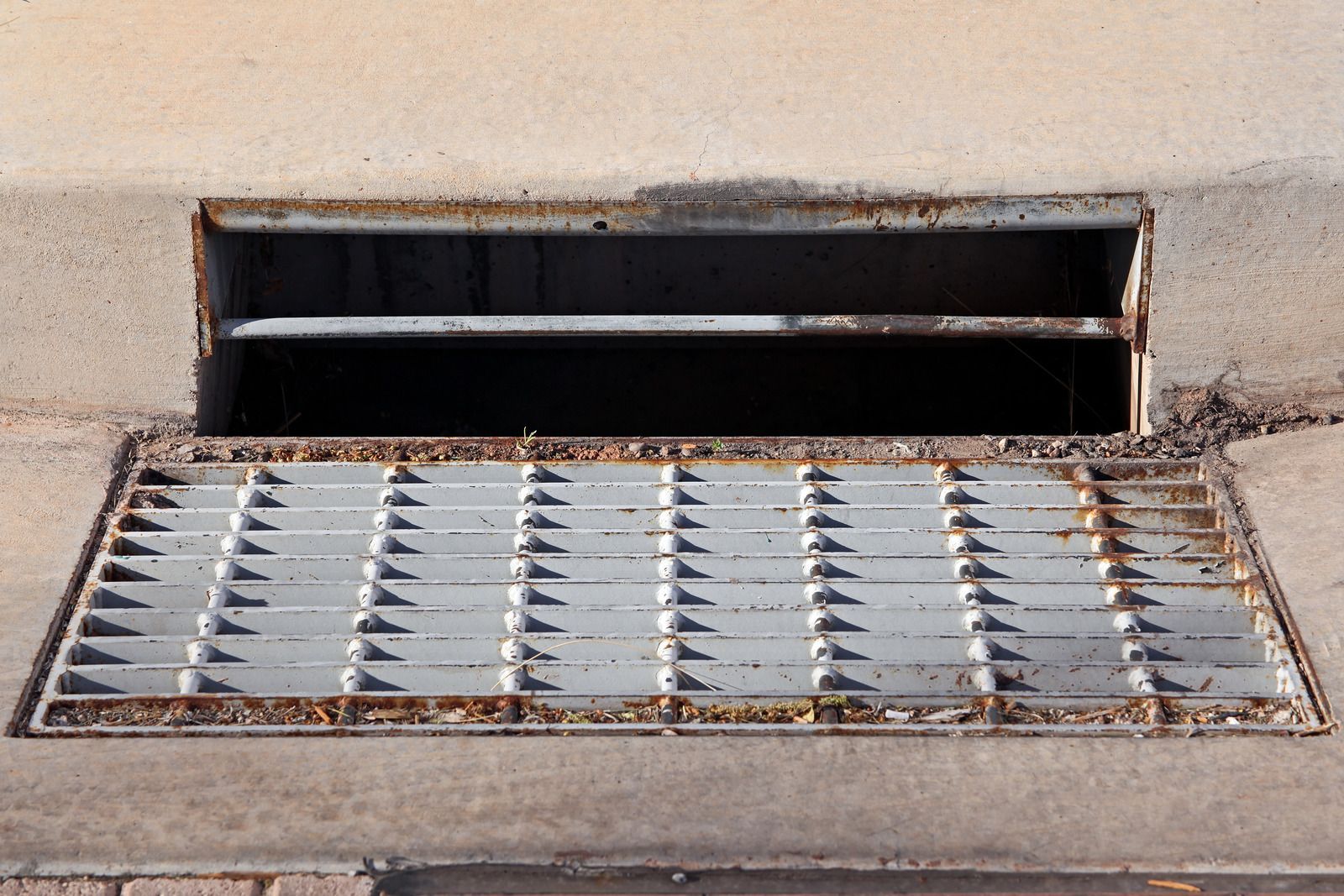
Drainage that intercepts groundwater before it reaches susceptible soil. Where surface grading alone isn't enough, curtain drains and French drains installed along the uphill or wettest side of a property catch water before it saturates the soil next to the foundation. Less moisture available to freeze means less material for ice lenses to build with, which is the whole point.
Footing depth and soil replacement matched to the actual site.
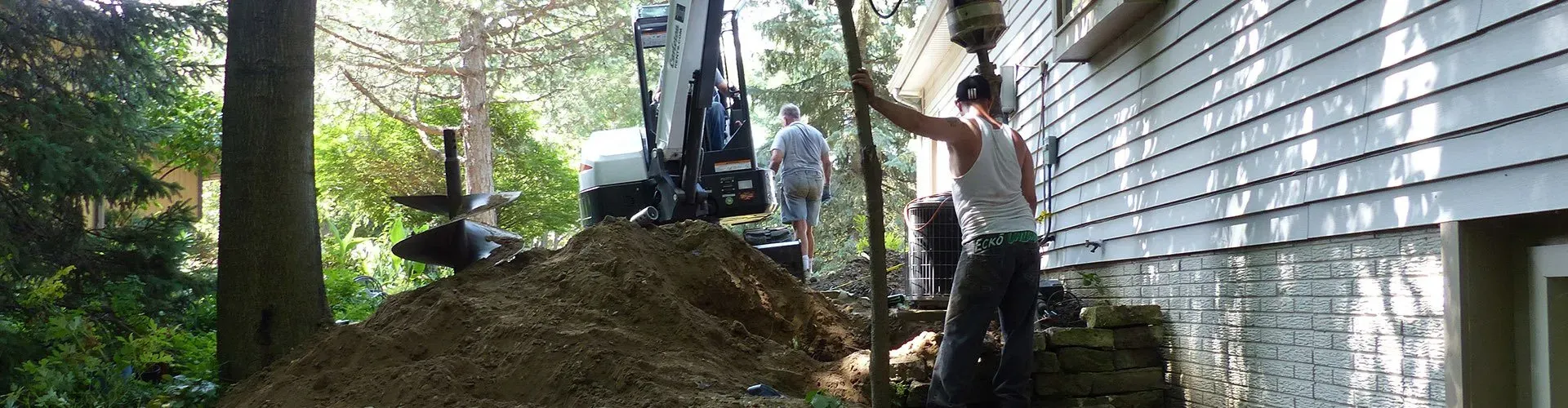
Excavation crews that work Alaska soil regularly know footing depth needs to answer to the frost conditions on that specific lot, not a generic rule of thumb, especially in discontinuous permafrost country where conditions shift across one property. In some cases, excavating out frost-susceptible silt or clay near a footing and replacing it with free-draining gravel removes the material capable of forming ice lenses in the first place, rather than just moving water away from soil that would still heave given the chance. None of this works well guessed at from the surface, which is why a proper site assessment, reading how deep the frost reaches and where water is arriving from, comes before any repair plan.
Frequently Asked Questions
How can I tell if a sticking door is frost heave or a foundation problem?
Track timing: a door that sticks each winter and swings free by summer follows the freeze-thaw cycle, pointing to frost heave. One that worsens year after year regardless of season signals ongoing settlement instead.
Does frost heave go away on its own once the ground thaws?
The lifting eases once ice lenses melt each spring, so the door or crack often improves by summer. But the underlying moisture and grading conditions remain, so the same pattern usually returns the next winter.
Why does Alaska get worse frost heave than warmer states?
Alaska's frost line often runs 42 inches deep or more around Southcentral Alaska, giving freezing soil more moisture to work with. Discontinuous permafrost and months-long freezes give ice lenses more time and room to form.
What soil types are most prone to frost heave?
Fine-grained soils like silt and some clays draw and hold moisture through capillary action more readily than clean sand or gravel, making them the most frost-susceptible. That's why heave varies so much between nearby properties.
Is regrading enough to stop a door from sticking every winter, or do I need drainage work too?
It depends on the water source. Surface runoff, like a downspout or sloped soil, often responds well to regrading alone. A high water table or groundwater usually needs a curtain or French drain as well.
What the Ground Beneath You Is Saying
A door that sticks every November and eases every June isn't a defect to live with or a mystery to ignore. It's the soil under your house telling you, on a predictable schedule, where moisture is reaching the frost line and lifting the ground. Read that pattern correctly, the seasonality, which openings move together, and where water tends to collect nearby, and you already know more about what's happening underground than a glance at the crack itself would ever reveal.
Foundations
built on Alaska soil move with the seasons whether anyone notices or not, and understanding why turns a frustrating repair into a problem that can be solved. AA Dirtwork & Snow Removal
brings 33
years of combined experience reading this movement across Anchorage, AK checking how deep the frost reaches and where moisture feeds it before deciding what the ground needs. That attention is what separates a door that keeps getting planed down from one that finally stops sticking.