The Importance of Proper Site Preparation for Construction Projects
Proper site preparation is the foundation of any successful construction project. Before a single beam is raised or wall erected, the land must be evaluated, cleared, and stabilized to ensure the safety, durability, and efficiency of the project. Skipping or rushing site preparation can lead to costly delays, structural failures, and safety hazards, making it one of the most critical steps in the construction process. In an industry where precision and planning directly impact outcomes, understanding the nuances of site preparation is essential for developers, contractors, and project managers alike.
The relevance of thorough site preparation extends beyond simply leveling the ground. It encompasses soil testing, grading, drainage solutions, removal of debris, and the identification of environmental or regulatory constraints. Each of these steps mitigates risks and ensures that construction can proceed smoothly, on schedule, and within budget. Moreover, proper preparation improves the long-term performance of buildings and infrastructure, enhancing structural integrity while reducing maintenance costs. By prioritizing site preparation, construction professionals can safeguard investments, optimize resource use, and create safer, more sustainable environments for occupants and communities alike.
1. Understanding Site Preparation
What Is Site Preparation?
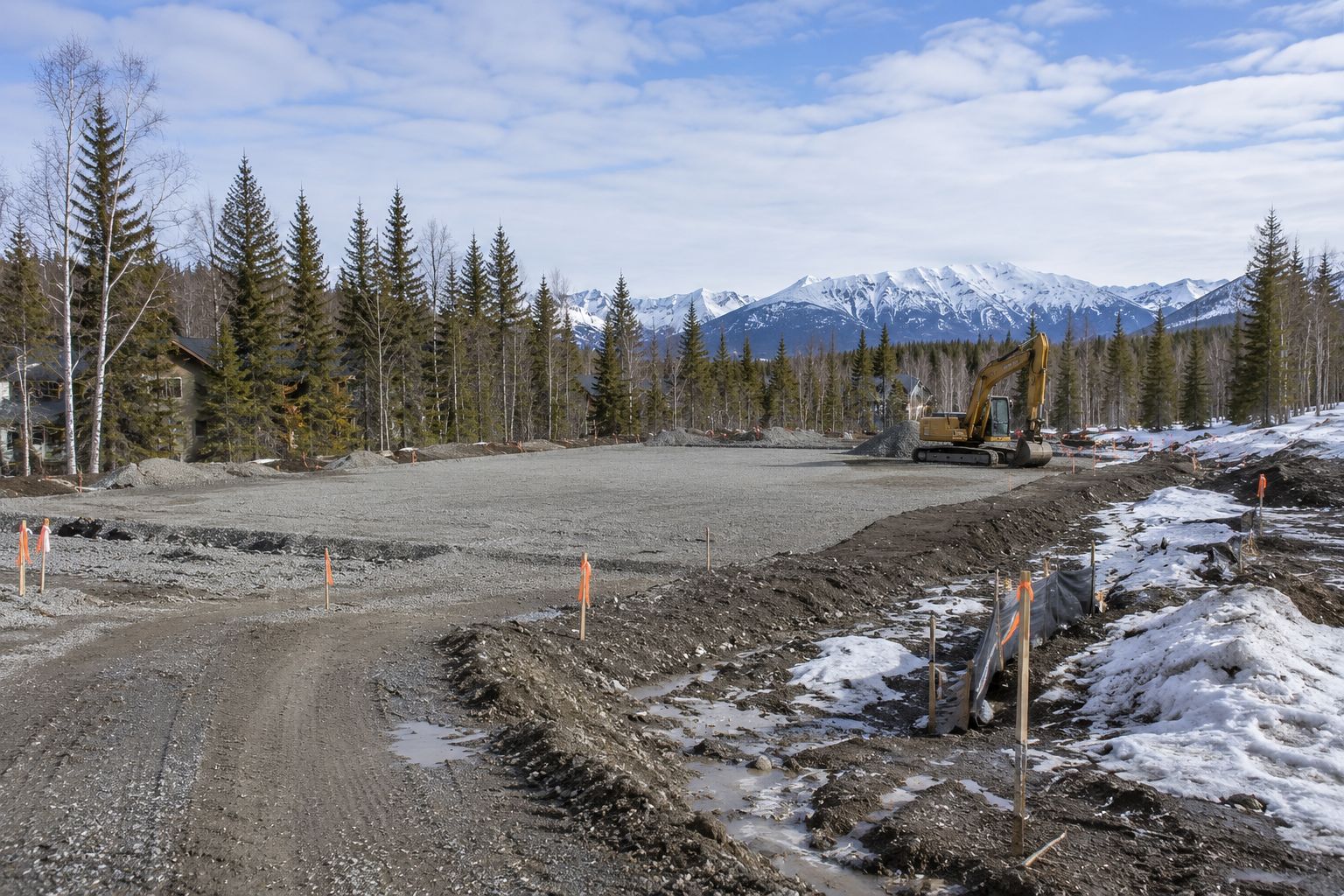
Site preparation involves all essential activities required to properly ready a piece of land for construction. This comprehensive process includes surveying, clearing vegetation, grading, soil stabilization, and implementing measures for proper drainage and land safety. Essentially, it transforms a raw plot into a reliable, foundation-ready site capable of supporting the intended structure safely. Professionals use advanced surveying tools, geological assessments, and topographical analysis to thoroughly evaluate soil composition, slope, and potential hazards.
The Role of Surveys and Soil Testing
Before construction begins, conducting detailed surveys and soil testing is absolutely crucial. Soil tests determine load-bearing capacity, drainage characteristics, and the presence of potential contaminants. These critical insights influence design decisions, including foundation type, structural support requirements, and material selection. For example, clay-rich soils may require additional stabilization to prevent shifting or settling, while sandy soils might necessitate enhanced drainage improvements. Skipping these necessary steps can lead to uneven foundations, water damage, or structural failures, emphasizing the critical role of professional assessment in every project.
Regulatory and Environmental Considerations
Site preparation also requires careful adherence to local regulations and environmental guidelines. Permits may be needed for land clearing, grading, or tree removal, while environmental assessments ensure minimal disruption to natural habitats and full compliance with stormwater management rules. By incorporating regulatory compliance into site preparation, construction teams effectively mitigate legal risks and promote environmentally sustainable development practices throughout the project lifecycle.
2. Clearing and Grading the Land
Vegetation Removal
Clearing a construction site involves safely removing trees, shrubs, rocks, and other debris that could interfere with building operations or machinery access. Beyond aesthetics, proper vegetation removal prevents future hazards such as root intrusion into foundations, blocked drainage systems, and increased fire risks. Specialized heavy equipment like bulldozers, excavators, and mulchers allows for efficient, safe clearing while minimizing soil disturbance and maintaining surrounding environmental conditions.
Grading for Stability and Drainage
Grading shapes the land to create level areas for construction and ensures proper water runoff away from structures. A well-graded site significantly reduces the risk of flooding, soil erosion, and foundation settling over time. Professionals employ techniques like cut-and-fill, slope creation, and terracing to effectively manage elevation changes. For instance, residential developments on uneven terrain may require stepped grading to accommodate structures while carefully preserving natural drainage patterns and surrounding landscapes.
Real-World Example
In a recent commercial development, improper grading led to water pooling consistently around the foundation, resulting in costly repairs and major project delays. By contrast, sites that integrate precise grading, effective drainage systems, and expert oversight avoid such setbacks entirely, demonstrating the critical importance of careful planning and execution during the early stages of construction projects.
3. Soil Stabilization and Compaction
Why Soil Stabilization Matters
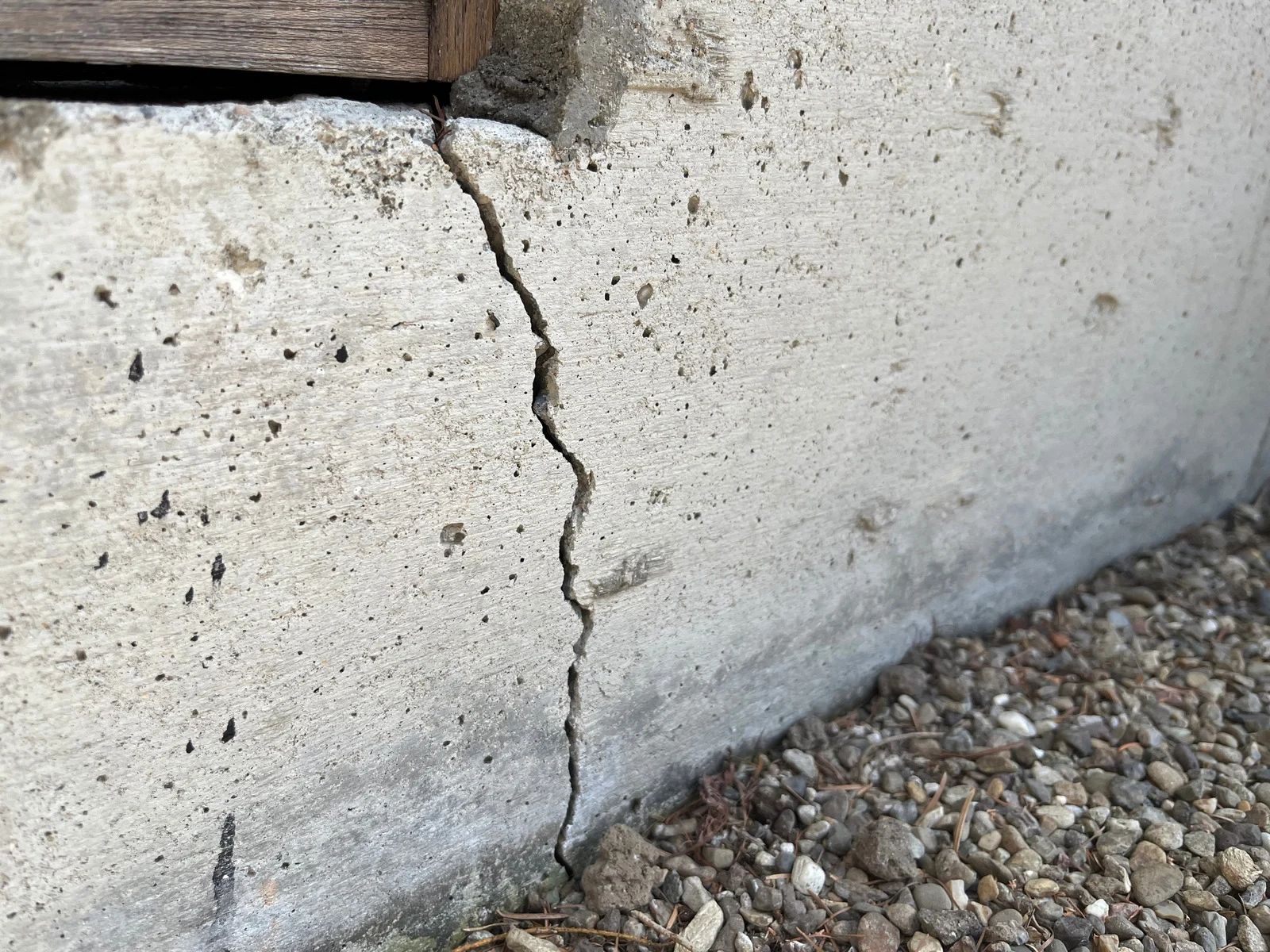
Soil stabilization significantly enhances the strength, durability, and load-bearing capacity of the construction site ground. Weak or unstable soils can cause foundation settling, structural cracks, and uneven surfaces, posing long-term risks. Common stabilization methods include chemical treatment with lime or cement, mechanical compaction, and geotextile reinforcement, all tailored to soil characteristics and site conditions to ensure optimal results and structural longevity.
Methods of Compaction
Compaction removes air pockets in the soil, increasing density and minimizing future settlement or structural failure. Construction teams use rollers, vibratory plates, and tampers to achieve uniform compaction consistently across the site. Proper compaction not only supports foundations but also reduces water infiltration, soil erosion, and damage to pavements, roadways, or other site surfaces built over time.
Challenges in Soil Stabilization
Different soil types present unique challenges during stabilization and preparation. Clay soils, for example, expand and contract dramatically with moisture changes, while sandy soils may shift unpredictably under heavy loads. Addressing these diverse conditions requires carefully tailored stabilization strategies and professional expertise. Ignoring these essential soil characteristics can compromise long-term structural integrity and dramatically increase future maintenance costs.
4. Drainage and Water Management
The Importance of Drainage
Water management is a critical component of proper site preparation. Poor drainage can lead to severe soil erosion, foundation damage, and local flooding during heavy rainfall. Effective drainage systems protect both the construction site and future structures, reducing the risk of costly repairs, environmental hazards, and safety issues throughout the project lifecycle.
Implementing Effective Solutions
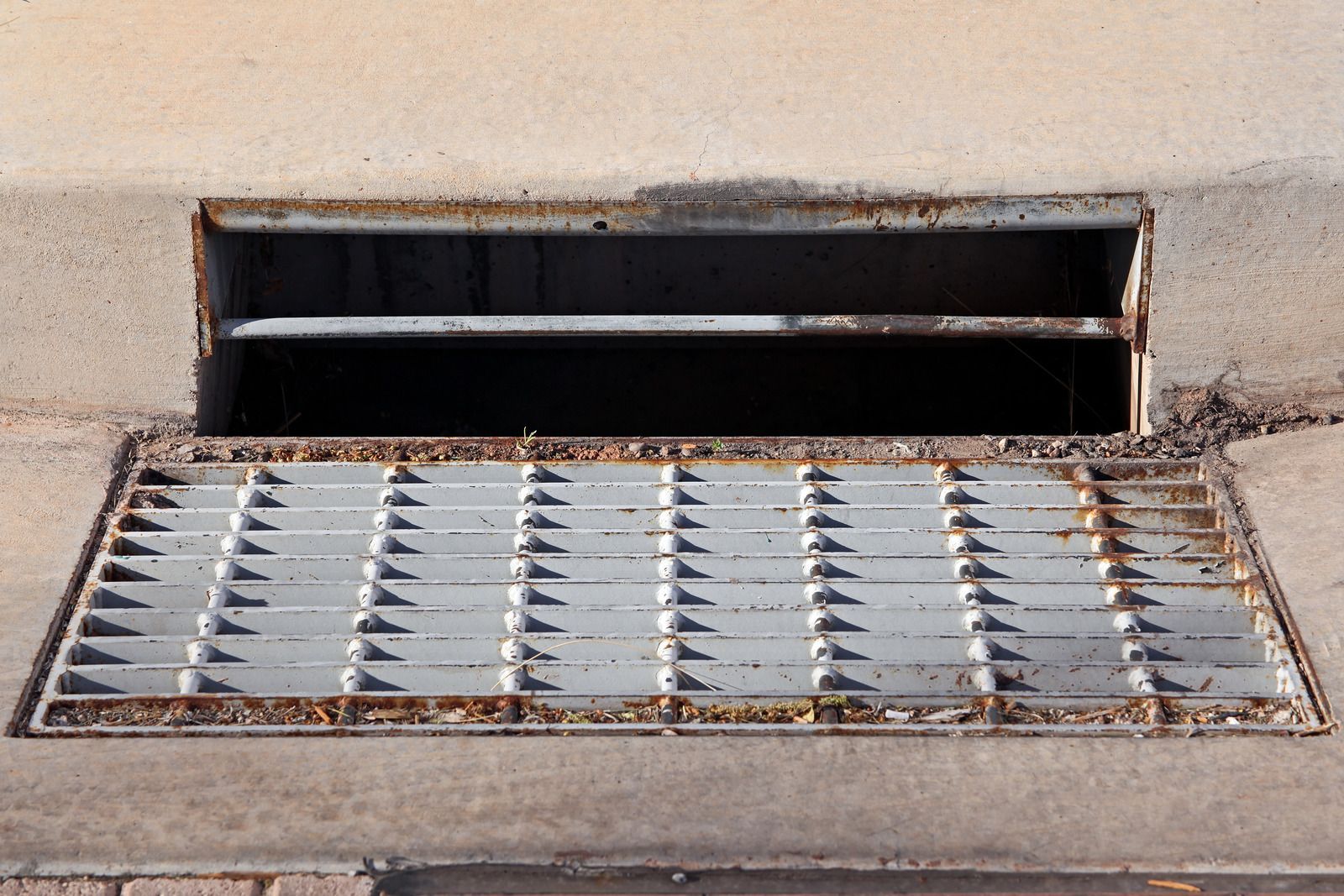
Drainage solutions may include swales, French drains, retention ponds, and fully engineered stormwater management systems. Engineers carefully assess natural water flow patterns, soil permeability, and historical rainfall data to design systems that efficiently divert water away from foundations, roads, and other infrastructure. For example, commercial parking lots often require a combination of surface grading and underground drainage measures to prevent water accumulation and maintain long-term structural longevity.
Maintenance Considerations
Even after construction, drainage systems require regular inspections and maintenance to remain fully effective. Clearing debris, inspecting pipes, and monitoring water flow are essential to prevent erosion, waterlogging, and other future hazards. Proactive water management during site preparation establishes a strong foundation for long-term sustainability, reduced maintenance costs, and protection of valuable investments over the structure’s lifetime.
5. Utility Preparation and Site Access
Laying the Groundwork for Utilities
Before construction begins, proper planning for utilities—such as water, electricity, gas, and sewage—is absolutely essential. This includes identifying underground infrastructure, mapping utility connections, and preparing trenches or conduits to support safe and efficient installation. Well-planned utility placement prevents costly disruptions during construction while ensuring full compliance with local codes, regulations, and engineering standards.
Creating Site Access
Efficient site access facilitates equipment movement, material delivery, and workforce mobility throughout the construction process. Temporary roads, staging areas, and secure storage zones are established during preparation to optimize construction logistics. Poor access planning can lead to project delays, increased equipment wear, and serious safety hazards, highlighting the importance of integrating access considerations into early site preparation planning.
Case Study
A large residential development repeatedly faced delivery delays due to narrow, unpaved access roads. By investing in temporary site access improvements, the project significantly improved efficiency, reduced equipment wear, and maintained critical construction timelines. This example clearly underscores the operational benefits of thorough site preparation beyond simply ground-level readiness.
6. Risk Mitigation and Long-Term Benefits
Identifying Potential Hazards
Effective site preparation includes identifying and proactively mitigating risks such as landslides, flooding, soil contamination, and hidden underground obstacles. Early risk assessment allows construction teams to implement preventive measures, safeguarding both the project and future occupants while ensuring smooth, uninterrupted construction progress.
Cost Efficiency and Project Longevity
Investing time and resources in proper site preparation significantly reduces long-term costs. Addressing soil issues, drainage problems, or access challenges before construction begins prevents expensive remediation later. Additionally, a well-prepared site enhances structural stability, reduces ongoing maintenance needs, and extends the overall lifespan of buildings and infrastructure.
Enhancing Safety and Compliance
Site preparation directly impacts worker safety and regulatory compliance throughout the construction process. Properly cleared, graded, and stabilized sites minimize accidents, equipment hazards, and environmental violations. For contractors, consistently adhering to safety standards during preparation reflects professionalism and reliability, building lasting trust with clients, stakeholders, and regulatory authorities.
Reliable Professionals Committed to Construction Success Foundations
Proper site preparation is the cornerstone of successful construction projects. By addressing land clearing, grading, soil stabilization, drainage, and utility planning, construction teams establish a foundation that supports structural integrity, operational efficiency, and long-term sustainability. Ignoring these critical steps can result in costly repairs, delays, and safety hazards, underscoring the necessity of meticulous planning and execution.
At AA Dirtwork & Snow Removal, located in Anchorage, Alaska, our 33
years of experience in site preparation and earthwork services make us a trusted authority in the construction industry. We specialize in transforming raw land into ready-to-build sites with precision, efficiency, and attention to detail. Our team employs advanced equipment, industry best practices, and in-depth knowledge to ensure every project is grounded on a solid, safe foundation. By partnering with AA Dirtwork & Snow Removal, clients gain confidence in the reliability and durability of their construction projects, backed by decades of proven expertise and a commitment to excellence.