Step-by-Step Guide: Preparing Your Site with Professional Land Clearing Services
Preparing a site for construction, landscaping, or agricultural use begins with an often-overlooked yet crucial step: land clearing. The process involves removing trees, shrubs, stumps, rocks, and other debris to create a safe, level, and usable area. Proper site preparation not only ensures compliance with local regulations but also lays the foundation for efficient project execution, minimizing delays, safety hazards, and unforeseen expenses. In industries ranging from residential construction to commercial development and agriculture, professional land clearing services have become indispensable. They combine technical expertise, specialized equipment, and knowledge of environmental best practices to achieve results that meet both aesthetic and functional requirements.
Choosing to handle land clearing without professional support can lead to numerous challenges, including uneven terrain, soil erosion, and damage to surrounding properties. Conversely, hiring skilled professionals allows for precise execution tailored to project needs, whether it’s a small residential plot or a large-scale commercial site. Understanding the step-by-step approach to site preparation equips property owners, contractors, and developers with the insights needed to streamline the process, optimize resources, and achieve long-term project success. This guide will explore these steps in detail, providing actionable advice and practical considerations for effective land clearing.
1. Assessing the Site: The First Critical Step
Conducting a Detailed Site Survey
Before any machinery touches the land, a thorough assessment is absolutely essential. Surveying the site identifies topographical variations, vegetation types, and potential obstacles such as utility lines, wetlands, or protected areas that may impact project planning. Professional land clearing teams use advanced tools like drones, GPS mapping, and soil analysis to evaluate the site accurately and efficiently.
Identifying Environmental and Legal Considerations
Land clearing isn’t just about cutting trees or removing rocks; it involves carefully navigating environmental regulations, zoning laws, and permitting requirements that vary by location. For example, clearing near protected wetlands or wildlife habitats may require special authorization and detailed documentation. Professional companies are highly knowledgeable about these regulations and can secure necessary permits in advance, significantly reducing the risk of fines or costly project delays.
Planning for Waste Management
An often-overlooked aspect of site assessment is determining exactly how debris, stumps, and other materials will be handled and disposed of responsibly. Effective waste management strategies include mulching, hauling, or recycling materials, which can substantially reduce costs and minimize environmental impact. Proper planning at this early stage prevents the accumulation of unwanted debris, ensures smoother workflow, and guarantees that the site is fully ready for construction or development without unnecessary interruptions.
2. Clearing Vegetation: Trees, Shrubs, and Brush
Selecting the Right Equipment
Vegetation removal requires specialized equipment tailored specifically to the size, density, and type of plants present on the property. Common tools include bulldozers, skid steers, brush mowers, and chainsaws, all selected for efficiency and minimal soil disruption. Professional teams carefully assess which combination of machinery delivers optimal performance while ensuring the land remains safe and stable.
Techniques for Safe Tree and Shrub Removal
Safe and effective vegetation removal goes far beyond simply cutting down trees. Experts implement specialized techniques such as directional felling to prevent property damage and selective clearing to preserve necessary vegetation where possible. Mulching is commonly used for smaller brush and shrubs, turning debris into valuable organic material that can later be repurposed for landscaping, soil enrichment, or erosion control measures.
Addressing Overgrowth and Invasive Species
Overgrown areas or invasive plant species require targeted strategies and ongoing management to prevent regrowth. For example, invasive species such as kudzu or Japanese knotweed may require chemical treatment in addition to mechanical removal for full eradication. Professional land clearing services combine botanical knowledge with equipment capabilities to ensure complete, sustainable clearing, ultimately reducing long-term maintenance requirements and protecting the overall health of the site.
3. Grading and Excavation: Creating a Level Foundation
Understanding Site Grading Principles
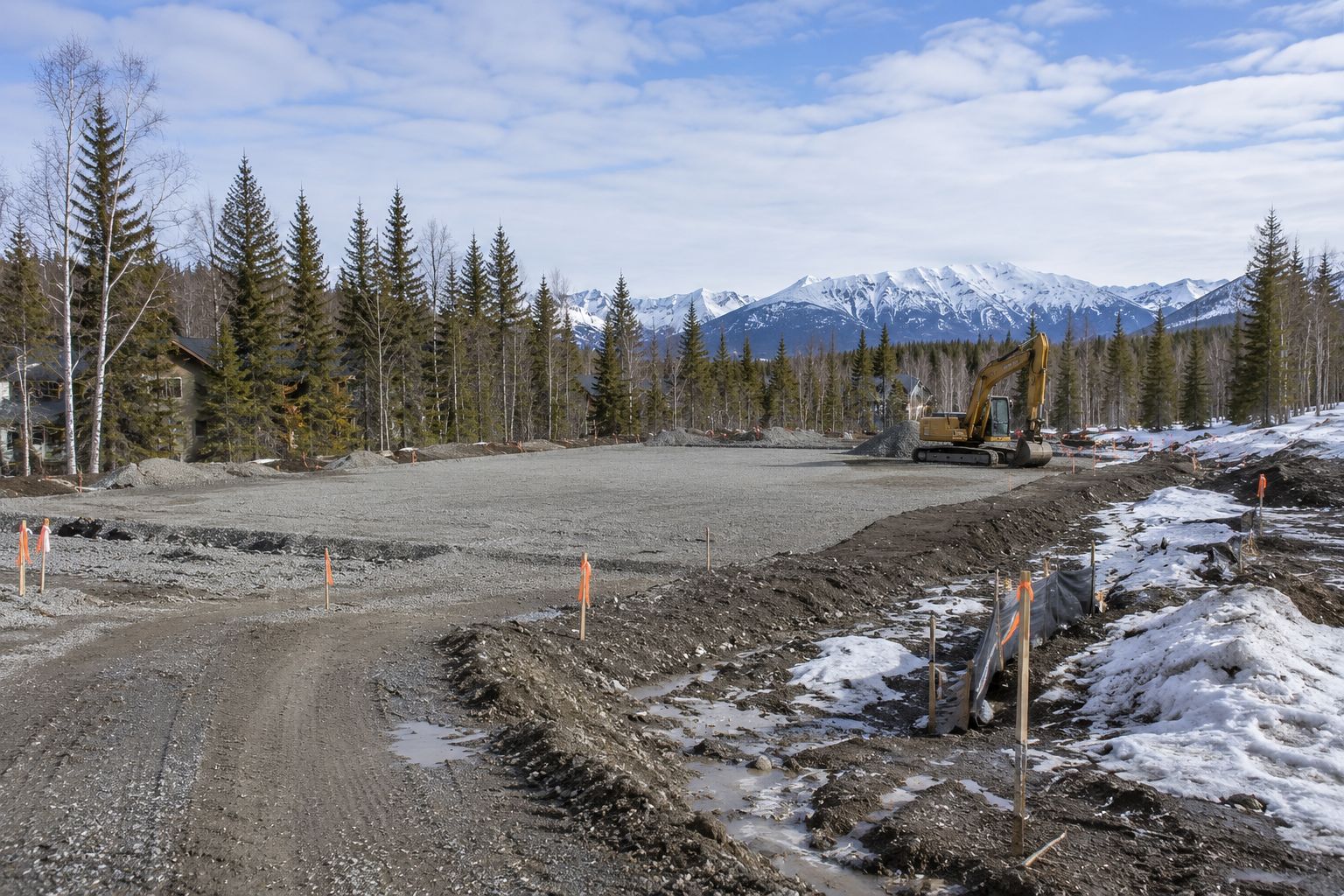
After vegetation is removed, the next critical step is grading the land to create a smooth, usable surface. Site grading ensures proper drainage, prevents erosion, and prepares the terrain for construction or landscaping projects. Professionals analyze soil composition, slope, and drainage patterns carefully to design an effective grading plan that prevents water pooling and foundation instability.
Excavation for Foundations and Infrastructure
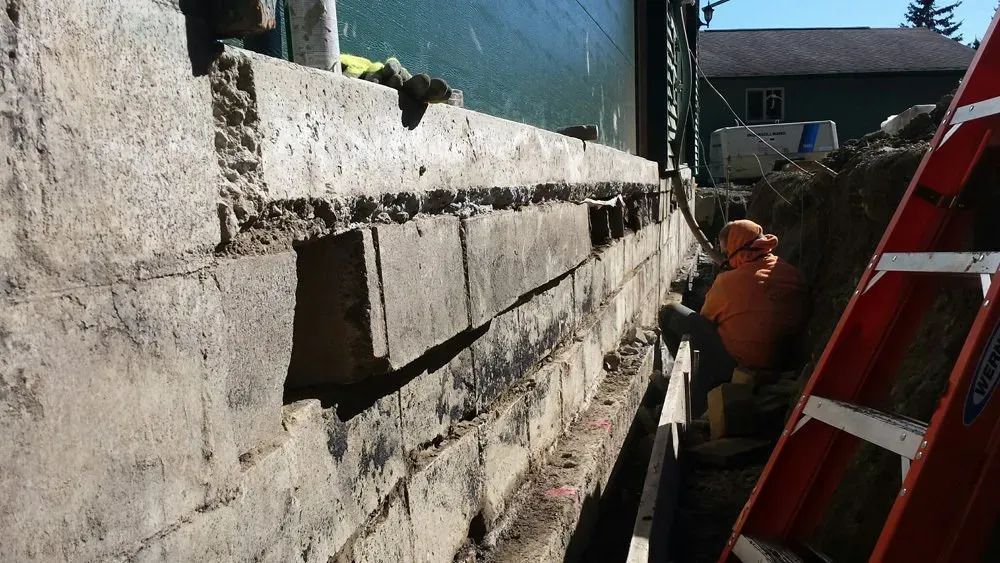
Excavation may be required for foundations, utility lines, or roadways, depending on project specifications and site conditions. Professional land clearing services use heavy machinery like excavators and backhoes to remove soil and rock efficiently while maintaining safety and stability. Strategic excavation ensures that the site is structurally sound, fully prepared for construction, and minimizes disruption to surrounding areas or neighboring properties.
Soil Compaction and Stabilization
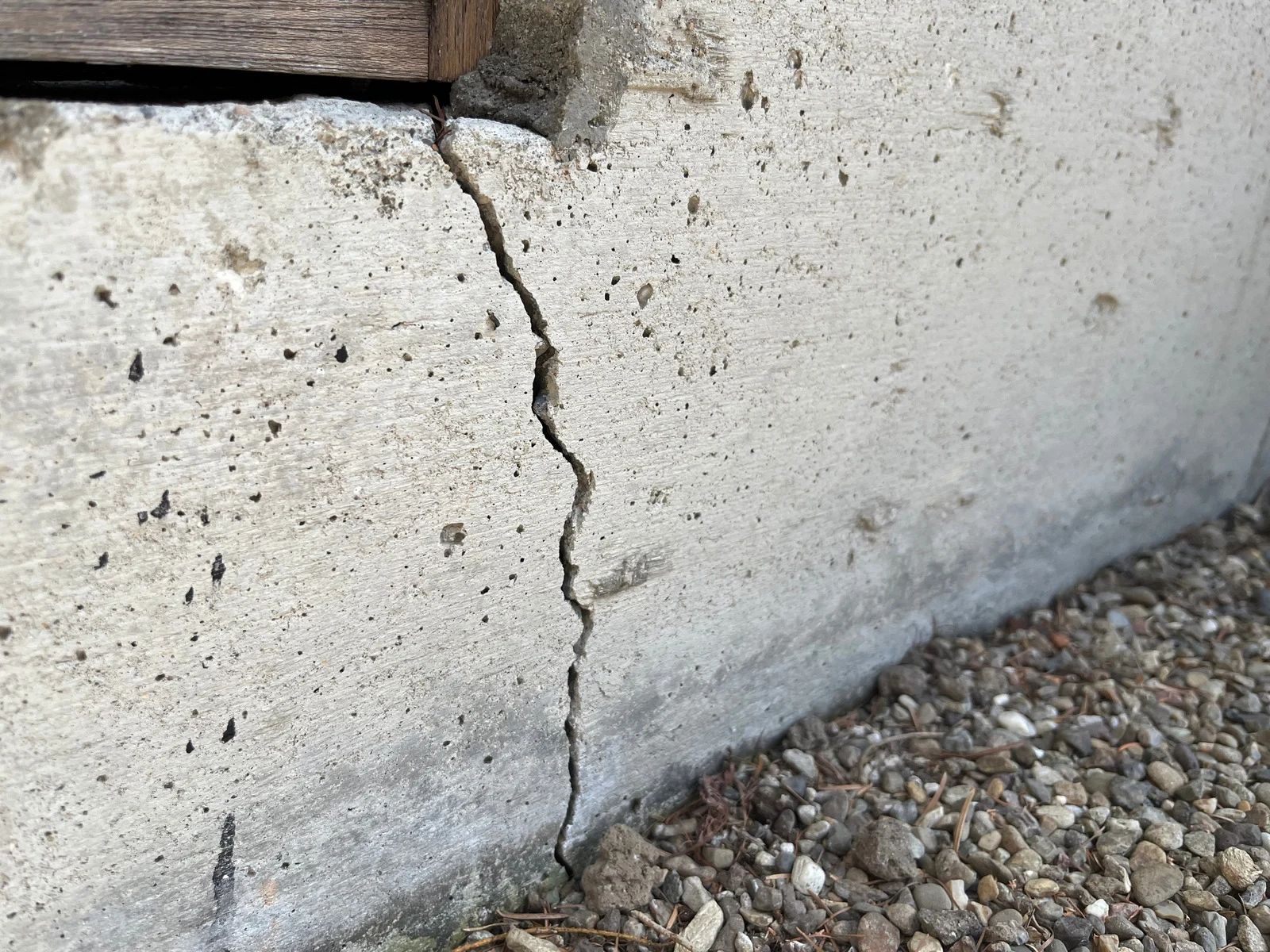
After grading, soil must often be compacted to prevent settling, shifting, or instability during construction. Techniques such as mechanical tamping or rolling are used to achieve optimal soil density, while stabilization may involve adding gravel, sand, or other materials based on soil type and project requirements. Properly compacted and stabilized soil significantly reduces the risk of erosion, foundation damage, and costly repairs during or after construction.
4. Debris Management and Disposal
Sorting and Recycling Materials
Land clearing generates a substantial amount of debris, including tree trunks, branches, rocks, and leftover vegetation. Professional services carefully sort these materials to determine which can be repurposed, recycled, or properly disposed of. For instance, large logs may be milled into lumber, while branches can be chipped into mulch or used as organic soil amendments. Effective sorting minimizes landfill waste while also providing cost-saving materials for landscaping or other construction projects.
Safe and Legal Disposal
Some debris, particularly chemical-treated wood or invasive plant species, must be disposed of according to strict local regulations. Professional land clearing companies ensure that all materials are handled legally and safely, mitigating environmental risks and compliance issues. Proper disposal also reduces the likelihood of pest infestations, soil contamination, and other hazards that can compromise the long-term stability of the site.
Utilizing Debris for Site Benefits
In addition to disposal, many types of debris can be creatively used to enhance the site. Mulched brush improves soil fertility and water retention, while strategically placed rocks may serve as natural erosion barriers or aesthetic landscaping features. Professionals understand how to convert what is often considered waste into value-added resources, maximizing both environmental and practical benefits for the property.
5. Erosion Control and Environmental Protection
Implementing Erosion Prevention Measures
Clearing land exposes soil to wind and water erosion, which can compromise project stability and long-term site usability. Techniques such as silt fencing, straw wattles, and retaining walls are implemented to control sediment runoff and protect vulnerable areas. Professionals carefully assess the slope, soil type, and drainage patterns to install erosion prevention measures that protect the site during and after clearing activities.
Preserving Natural Habitats
While clearing may be necessary for construction, it is equally important to preserve critical habitats and local biodiversity wherever possible. Professional services conduct wildlife assessments and may leave buffer zones, replant vegetation, or implement protective measures to support ecosystems. Maintaining this balance between development and environmental protection is crucial for sustainable site preparation and long-term ecological responsibility.
Managing Stormwater and Drainage
Cleared land can alter natural water flow, leading to flooding or erosion if drainage isn’t properly managed. Implementing solutions such as swales, ditches, or retention ponds ensures that water is directed safely and efficiently. Experts design these systems to integrate seamlessly with the landscape while adhering to regulatory standards, safeguarding the site from potential water-related damage.
6. Final Site Preparation and Readiness
Inspection and Quality Assurance
Before construction begins, a comprehensive final inspection ensures that the site meets all project specifications. Professionals evaluate grading, debris removal, soil stability, and safety measures, making necessary adjustments to avoid potential delays. This final step guarantees that contractors and project managers can begin work on a fully prepared, safe, and functional site.
Preparing Access Roads and Utilities
A cleared and graded site often requires temporary or permanent access roads, as well as utility connections for water, electricity, or gas. Professionals plan and construct these infrastructures to facilitate smooth project execution and prevent logistical bottlenecks. Properly designed access and utility layouts enhance efficiency during construction while maintaining long-term functionality.
Documenting the Process
Comprehensive documentation, including before-and-after photos, permits, inspection reports, and site assessments, ensures transparency, accountability, and traceability. It also serves as a reference for future maintenance, landscaping, or expansion projects. Professional land clearing services maintain thorough records, enhancing client confidence, project efficiency, and regulatory compliance.
Committed Professionals Delivering Precise Land Preparation Results
Effective site preparation through professional land clearing services is more than just removing trees or brush. It is a strategic, multi-step process that ensures safety, compliance, and long-term project success. From assessing the site and handling vegetation removal to grading, soil stabilization, debris management, and environmental protection, each stage requires expertise and precision. Implementing best practices minimizes risks, optimizes resources, and lays the groundwork for efficient construction or development. Property owners and contractors benefit from professional guidance, specialized equipment, and regulatory knowledge, which together streamline the process and reduce unforeseen complications.
For over seven decades, AA Dirtwork & Snow Removal, based in Anchorage, Alaska, has been a trusted authority in
land clearing
and site preparation. With 76 years of experience, the company provides comprehensive, customized solutions that combine safety, efficiency, and environmental responsibility. Their expert team delivers precise site assessments, advanced clearing techniques, grading, and debris management tailored to each project’s unique needs. Clients rely on AA Dirtwork & Snow Removal
not only for technical excellence but also for their unwavering commitment to professionalism, reliability, and superior results in every project.