5 Common Land Clearing Mistakes That Can Cost You Time and Money
Land clearing is one of the most critical early stages of any construction, agricultural, or development project. Done correctly, it creates a stable foundation, streamlines future work, and prevents costly surprises. Done poorly, it can trigger delays, regulatory issues, safety hazards, and budget overruns that ripple through an entire project. Many landowners and developers underestimate how technical land clearing really is, assuming it is simply about removing trees and debris. In reality, it requires careful planning, environmental awareness, equipment expertise, and compliance with local regulations. Factors such as soil composition, topography, drainage patterns, and existing vegetation all influence how land should be cleared. Overlooking these elements can compromise the usability of the site and increase long-term costs. Successful land clearing sets the tone for every phase that follows, making it a decisive factor in overall project success.
As development pressures increase and timelines tighten, the margin for error in land clearing continues to shrink. Small mistakes made at the beginning can lead to expensive rework, soil instability, drainage problems, or even legal penalties. Understanding where projects commonly go wrong helps decision-makers avoid unnecessary risks and protect their investment. Poor decisions at this stage often cascade into larger structural, environmental, and financial issues later in the project lifecycle. This article breaks down five of the most common land clearing mistakes that cost time and money, explains why they happen, and shows how to prevent them. By learning from real-world challenges and industry best practices, property owners can approach land clearing with greater confidence. Whether you are preparing land for residential construction, commercial development, or agricultural use, recognizing these pitfalls early can make the difference between a smooth project and a costly setback.
Mistake 1: Skipping Proper Site Evaluation and Planning
Underestimating Site Conditions
One of the most frequent and costly land clearing mistakes is starting work without a detailed site evaluation. Every piece of land has unique characteristics, including soil composition, slope, vegetation density, drainage patterns, and hidden obstacles such as buried debris or rock formations. Ignoring these factors often leads to unexpected delays when equipment gets stuck, soil fails to compact properly, or additional clearing methods become necessary.
For example, land with high clay content may appear firm on the surface but become unstable once vegetation is removed. Without prior testing, operators may discover too late that the soil cannot support heavy machinery or future structures without remediation. This results in unplanned expenses and schedule disruptions that could have been avoided with proper assessment.
Lack of a Clear Clearing Strategy
Planning goes beyond inspection. A structured clearing strategy outlines what needs to be removed, what should remain, and how the process will unfold. Without this roadmap, projects often suffer from inefficiencies such as double handling of materials, poor sequencing, or incomplete clearing that requires repeat visits.
Best practices include soil testing, topographic surveys, and mapping protected areas before any equipment arrives on site. Investing time in planning ensures land clearing aligns with the long-term purpose of the property, saving both time and money.
Mistake 2: Ignoring Environmental and Regulatory Requirements
Overlooking Permits and Compliance
Environmental regulations govern land clearing in many regions, covering tree removal, erosion control, wetland protection, and wildlife preservation. A common mistake is assuming permits are unnecessary or can be handled later. This approach often leads to work stoppages, fines, or mandatory restoration orders that significantly increase costs.
For instance, clearing land near waterways without proper erosion controls can result in sediment runoff, triggering penalties and cleanup obligations. Regulatory agencies may also require replanting or habitat restoration, adding unexpected expenses and delays.
Failing to Implement Erosion and Sediment Controls
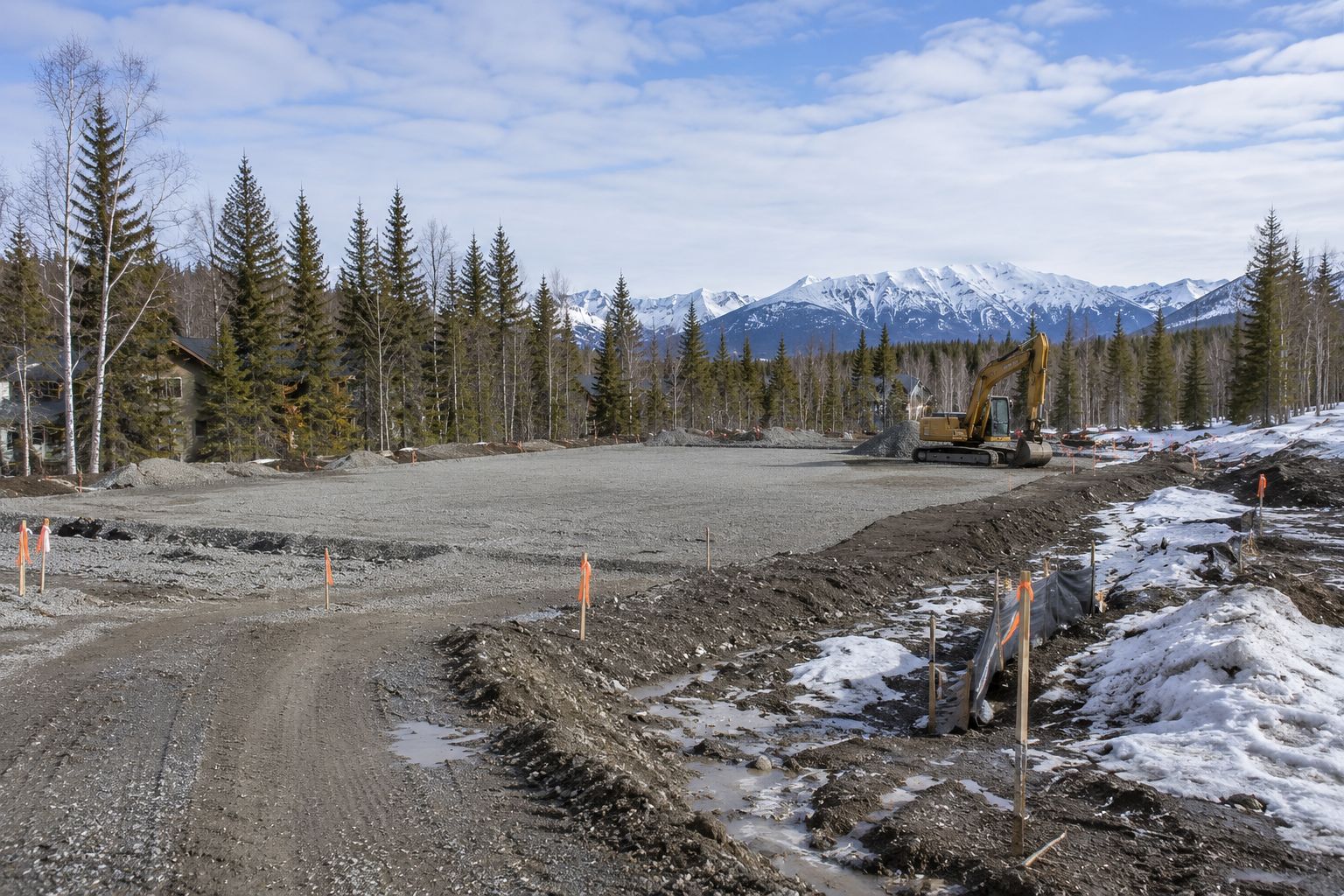
Even when permits are secured, improper execution can cause problems. Erosion control measures such as silt fences, drainage channels, and stabilized access points are essential during land clearing. Neglecting these practices can damage neighboring properties and infrastructure, leading to disputes and liability claims.
Responsible land clearing integrates compliance into the workflow, not as an afterthought. Understanding local regulations and environmental responsibilities protects both the project timeline and the budget while maintaining long-term land integrity.
Mistake 3: Using the Wrong Equipment or Inexperienced Operators
Mismatched Machinery for the Job
Choosing inappropriate equipment is another major source of inefficiency. Light machinery may struggle with dense vegetation or large stumps, while oversized equipment can cause unnecessary soil compaction and damage. Both scenarios increase operating time and fuel costs while reducing overall effectiveness.
For example, attempting to clear heavily wooded land with equipment designed for light brush often results in frequent breakdowns and incomplete removal. Conversely, using heavy machinery on sensitive soil can compromise future construction or agricultural productivity.
Inadequate Operator Skill and Training
Even the right equipment can cause problems in untrained hands. Inexperienced operators may damage underground utilities, over-clear areas meant to remain intact, or create uneven surfaces that require regrading. These errors increase rework costs and safety risks.
Professional land clearing relies on skilled operators who understand terrain management, equipment capabilities, and safety protocols. Proper expertise ensures efficient clearing while preserving soil quality and site usability.
Mistake 4: Poor Debris Management and Disposal Planning
Underestimating Volume of Cleared Material
Land clearing generates large amounts of debris, including trees, brush, roots, and soil. A common mistake is failing to plan for how this material will be handled. Without a debris management strategy, sites become cluttered, slowing progress and creating safety hazards.
Projects often stall when disposal options are not arranged in advance. Hauling debris off-site without coordination can lead to increased transportation costs and scheduling conflicts. In some cases, improper disposal can also violate environmental regulations.
Missing Opportunities for Cost Savings
Not all cleared material is waste. Mulching, chipping, or repurposing wood can reduce disposal costs and provide usable materials for erosion control or landscaping. Burning debris without considering alternatives may waste potential value and attract regulatory scrutiny.
Effective debris management evaluates reuse, recycling, and disposal options early. This approach keeps sites organized, reduces environmental impact, and helps control overall project costs.
Neglecting Long-Term Land Performance
Land clearing should prepare a site not just for immediate use but for long-term stability. Cutting corners undermines this goal, leading to erosion, drainage failures, or reduced land usability.
Best practices emphasize a balanced approach that respects timelines without compromising standards. Thorough clearing, proper grading, and stabilization ensure the land performs as intended, protecting the investment and preventing costly delays down the line.
Avoiding common land clearing mistakes starts with understanding that the process is both technical and strategic. Proper site evaluation, regulatory compliance, skilled equipment operation, debris management, and attention to long-term land performance all play critical roles in project success. When any of these elements are overlooked, the result is often wasted time, inflated costs, and preventable complications that affect every stage of development.
By approaching land clearing with careful planning and professional execution, property owners and developers can minimize risk and maximize efficiency. Each mistake discussed highlights how early decisions shape long-term outcomes. Treating land clearing as a foundational investment rather than a preliminary task leads to smoother projects, better land stability, and stronger returns. In an industry where margins and schedules matter, avoiding these errors is not just smart practice, it is essential to sustainable and cost-effective development.
Trusted Land Clearing Solutions That Deliver Results
When it comes to avoiding costly land clearing mistakes, experience and proven processes make all the difference. AA Dirtwork & Snow Removal, based in Anchorage, Alaska, brings an exceptional 76 years of hands-on expertise to every project they handle. This depth of experience means they understand not only how to clear land efficiently, but how to anticipate challenges before they become expensive problems. From evaluating complex site conditions to managing debris responsibly and ensuring long-term land stability, their approach reflects decades of practical knowledge earned in demanding environments.
Operating in Alaska requires precision, adaptability, and respect for land performance under extreme conditions. That same discipline carries through every land clearing project, regardless of scale. Clients benefit from thorough planning, skilled equipment operation, and a commitment to doing the job right the first time. Rather than rushing or cutting corners, the focus remains on protecting timelines, budgets, and future land use.
For property owners and developers who value reliability, accountability, and results backed by generations of experience, AA Dirtwork & Snow Removal stands out as a trusted authority. Their long-standing presence in the industry reflects consistent quality, professional integrity, and a clear understanding of what successful land clearing truly requires.