Why Site Preparation Is the Step You Cannot Skip Before Building in Alaska
Quick Answer: Site preparation is the work that happens before a single foundation form goes in: clearing the land, grading it to shed water, compacting the soil so it stops moving, and setting up drainage and utilities. In Alaska it matters more than almost anywhere else, because frozen ground, permafrost, and unstable soil punish any build that skips it. A structure is only as stable as the ground under it, and ground that was never graded, compacted, or drained correctly will settle, heave, and crack the finished build no matter how good the construction above it is. Getting the site right first is what keeps the foundation level, the water moving away, and the whole project on schedule.
Every build starts the same way, whether it is a house, a shop, or a driveway: with a piece of raw ground that is almost never ready to hold anything. It slopes the wrong way, it is full of roots and old fill, and the soil underneath is a mix of whatever nature and previous owners left behind. Site preparation is the unglamorous work of turning that ground into a stable, level, well drained surface that a foundation can trust. Skip it or rush it, and the problems do not show up on day one. They show up two winters later as a cracked slab, a settling corner, or water pooling where the grading should have carried it away.
In Anchorage and across the Mat-Su, the ground itself makes this harder than it is in the Lower 48. Frost line runs deep, some lots sit over permafrost, and the freeze and thaw cycle works on anything that was not built to handle it. Understanding what proper site preparation covers, and why the local ground demands it, is what separates a build that stays put from one that fights its own foundation for decades.
What Site Preparation Actually Covers
Clearing and grading the land
The first job is removing what is in the way: trees, brush, stumps, old structures, and buried debris. Once the site is clear, grading shapes the ground so it sits level where it needs to and slopes away from where the building will go. Good grading is the difference between water running off the site and water running toward the foundation.
Compacting the soil so it stops moving
Loose or disturbed soil settles under weight, and settling is what cracks foundations. Compaction presses the ground into a dense, stable base that will not shift once the structure is on top of it. In Alaska, where fill and native soils vary widely across a single lot, proper compaction is one of the most important steps in the whole process.
Setting up drainage and utilities
Before anything gets poured, the underground work goes in: water lines, sewer or septic runs, and the drainage that keeps groundwater away from the build. Doing this after the fact means tearing up finished ground, so it belongs in the preparation phase where it can be done cleanly and in the right order.
Why Alaska Ground Makes Site Preparation Harder
Frozen ground and permafrost
Cold temperatures freeze the ground solid for much of the year, and some sites sit over permafrost that never fully thaws. Building on ground that heaves as it freezes, or that thaws unevenly beneath a heated structure, is a recipe for movement. Proper site preparation accounts for the frost line and the soil conditions before construction ever begins.
Unstable and mixed soil
Alaska lots often carry a mix of native soil, old fill, silt, and organic material, and each behaves differently under load. Soil that holds water or compresses unevenly will move once weight sits on it. Assessing and correcting the soil during preparation is what keeps that movement out of the finished foundation.
Water that has nowhere to go
Between heavy snowpack, spring breakup, and seasonal rain, Alaska sites deal with a lot of water. Ground that was graded flat, or graded toward the structure, traps that water against the foundation. Shaping positive slope away from the build and planning drainage into the site prep is how that water gets managed before it becomes a problem.
TIP: The best time to catch a site problem is before anything is built on it. Walking the lot during breakup or after a heavy rain tells you exactly where water wants to collect and which way the ground actually slopes, which is information that is far more useful than a dry summer look. Those low spots and drainage paths are what the grading and drainage plan needs to solve, and solving them on paper is far easier than fixing them under a finished foundation.
What Proper Site Preparation Prevents
Foundation settling and cracks
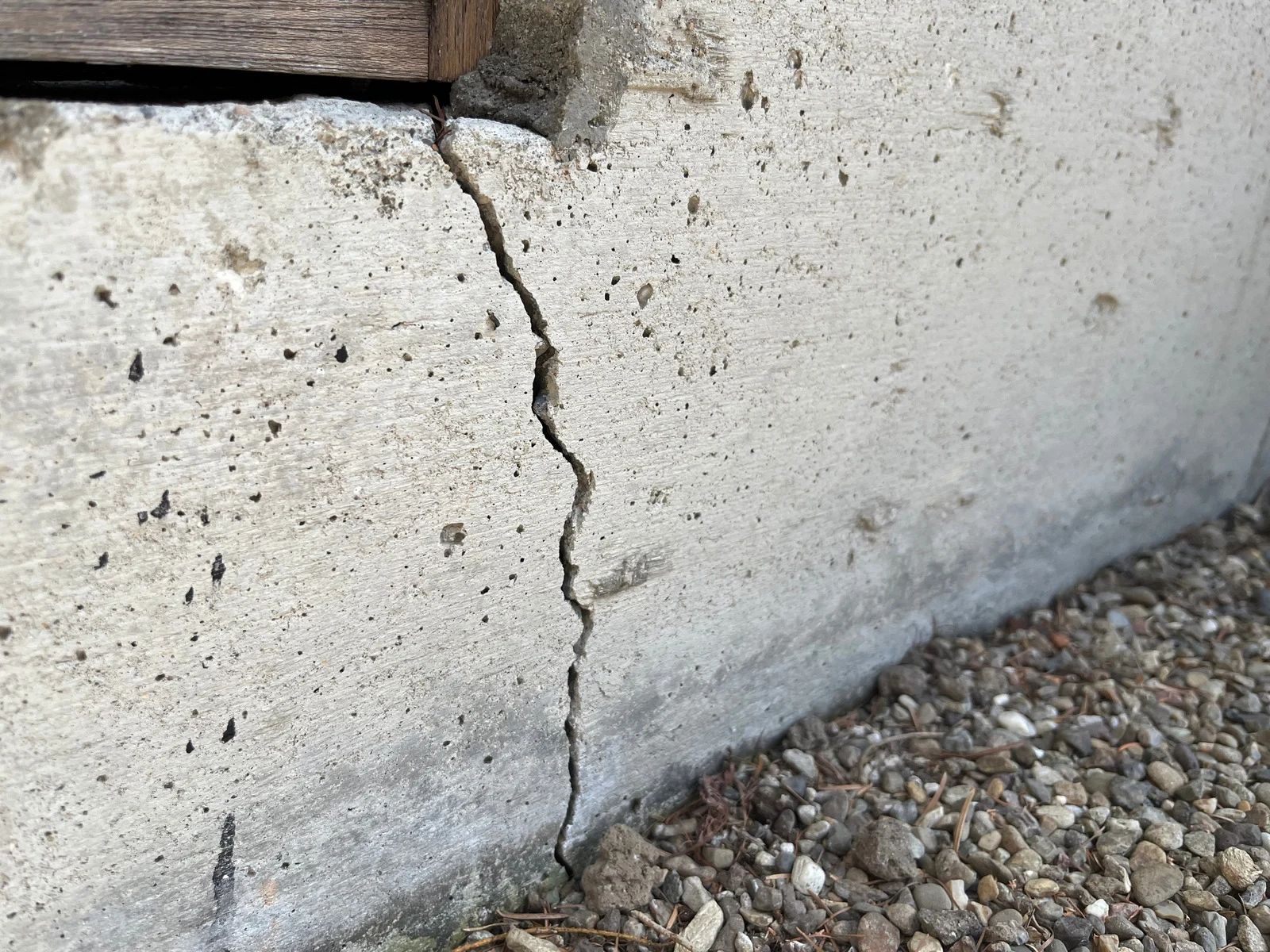
When the ground under a foundation was never compacted or the soil was never corrected, it settles unevenly. That uneven settling is what pulls foundations out of level and opens cracks in slabs and walls. Solid preparation gives the foundation a stable base that stays put.
Water damage and drainage failure
Grading and drainage set during preparation decide where water goes for the life of the structure. Get it right, and water sheds away on its own. Get it wrong, and every season sends meltwater and rain toward the foundation, where it causes damage that is expensive and disruptive to fix later.
Costly delays and rework
Problems caught during preparation are cheap to solve. The same problems found after construction has started mean stopping work, tearing out finished ground, and rebuilding. Thorough site prep keeps a project moving on schedule instead of stalling it partway through.
WARNING: Do not treat site preparation as just clearing the lot and calling it ready. Clearing is only the first step. The grading, soil compaction, and drainage planning are what actually determine whether the finished build stays stable, and those are the parts that get skipped when a project is rushed to get shovels in the ground. Ground that looks flat and firm in summer can hide poor drainage and loose soil that only reveal themselves once the first freeze and the first heavy load arrive together. The preparation you skip now becomes the foundation repair you pay for later.
Frequently Asked Questions
What does site preparation include?
Site preparation covers clearing the land, grading it to shed water, compacting the soil for stability, and installing drainage and underground utilities. It is the full process of turning raw ground into a level, stable, well drained surface ready for construction.
Why is grading so important in site preparation?
Grading shapes the ground so water drains away from the structure instead of pooling against it. Proper grading prevents erosion, flooding, and foundation damage, while flat or reversed slope sends water toward the build where it causes lasting problems.
Does Alaska weather really affect how a site is prepared?
Yes. Frozen ground, permafrost, and the freeze and thaw cycle all influence how a site must be prepared. Accounting for the frost line and soil conditions during preparation keeps the finished build from heaving, settling, or shifting later.
Can good site preparation prevent future foundation problems?
It can. Most foundation settling, cracking, and water damage trace back to ground that was never compacted, graded, or drained correctly. Preparing the site properly gives the foundation a stable, well drained base that holds up over the years.
How do I know if my lot needs site preparation before building?
Almost every lot does. If the ground is uneven, holds water, has debris or old fill, or slopes toward where you plan to build, it needs preparation first. An assessment confirms exactly what the site requires.
Getting the Ground Right Before Anything Goes On It
A build is only as good as the ground it sits on, and in Alaska that ground rarely arrives ready. Site preparation is the work that makes it ready: clearing what is in the way, grading the surface to move water away, compacting the soil so it stops shifting, and setting the drainage and utilities before the foundation goes in. The reason it matters so much here is simple. Frozen ground, permafrost, and mixed unstable soil will find any shortcut taken during preparation and turn it into a crack, a settle, or a flood down the road. Done right, none of that happens, and the structure sits level and dry for the life of the building.
Get your site assessed and prepared before construction starts instead of correcting the ground after problems appear. AA Dirtwork & Snow Removal
brings 33
years of combined experience reading Alaska soil and preparing sites across Anchorage and the surrounding areas. The crew clears and grades the land, corrects and compacts the soil, plans drainage that moves water away from the build, and handles the excavation and utility work that gets a site construction ready. As a certified helical pier and septic installer standing behind its work with a 10 year workmanship guarantee, the team gets the ground right the first time. Reach out to schedule a
site preparation
assessment and start your project on solid ground.