How Storm Sewers Protect Your Property From Flooding
The snow finally starts pulling back from your foundation, and instead of relief, you get a spreading sheet of water across the lawn that creeps closer to the house every afternoon. Maybe the driveway turns into a pond by midday and freezes back over by night. Here is what is worth knowing right away: a storm sewer exists to carry that water off your lot before it ever reaches your foundation, and when water starts pooling, the system is either blocked, frozen solid, or quietly pointed the wrong way.
We have dug up enough catch basins packed with winter grit and culverts crushed flat by frost to know that flooding almost never starts where you see the water. It starts upstream, at an inlet buried under plowed snow or a pipe that settled out of line over a hard winter. The water in your yard is the symptom. The break in the drainage path is the cause, and the two are rarely in the same spot.
What your storm sewer actually does back there
A storm sewer is the path that moves rain and snowmelt off your property and away from your foundation, usually starting at a catch basin or yard inlet and running through buried pipe to a culvert, ditch, or street main. Every part of that path depends on slope. Water moves because the pipe drops a little over every foot of run, often around a quarter inch per foot, and the moment that slope flattens or reverses, water sits instead of flows.
When all of that works, you barely notice it. Snow melts, water finds the grate, and the lot drains within a day. The trouble shows up when one link in the chain fails. A grate buried under sand. A pipe with a belly holding standing water. An outfall packed shut with silt. Our long winters and silty soils put steady pressure on every one of those links, which is why drainage here needs more attention than it does in milder, sandier ground.
What to do the moment water starts pooling
The first sign is almost never a flood. It is a slow drain. Water that used to clear in a day now sits for three or four, or a grate that gurgles and holds a pool after the rain has stopped. Catch it early and you save yourself a soaked crawlspace later.
Here is what to do the moment you notice it:
- Walk the lot during the first warm afternoon and watch which way the water actually runs. Mark the low spot and find the nearest grate or inlet.
- Clear anything sitting on the grate. Sand, gravel, leaves, and packed ice all choke flow at the surface before the pipe ever gets a chance.
- Check where your downspouts end. If a downspout dumps within a few feet of the foundation, redirect it out into the yard.
WARNING: If water has reached a basement or crawlspace and there are outlets, a panel, or any powered equipment in or near the standing water, do not wade in. Cut the power at the main first, or stay out and call for help. Water and live circuits are a real shock hazard, not a maybe.
TIP: During the first real thaw, pour a bucket of warm water onto the grate and watch it drain. If it backs up at the surface, the blockage is shallow and you can clear it. If the surface takes it but the yard still floods, the trouble is downstream.
What is really causing the flooding
Most yard flooding traces back to one thing: water that cannot reach the drain, or cannot move once it does. The usual culprit is a blocked inlet. All winter, traction sand and grit ride the meltwater toward the lowest point and settle right on the grate and in the catch basin below it, until the opening is half full of sediment before spring even arrives.
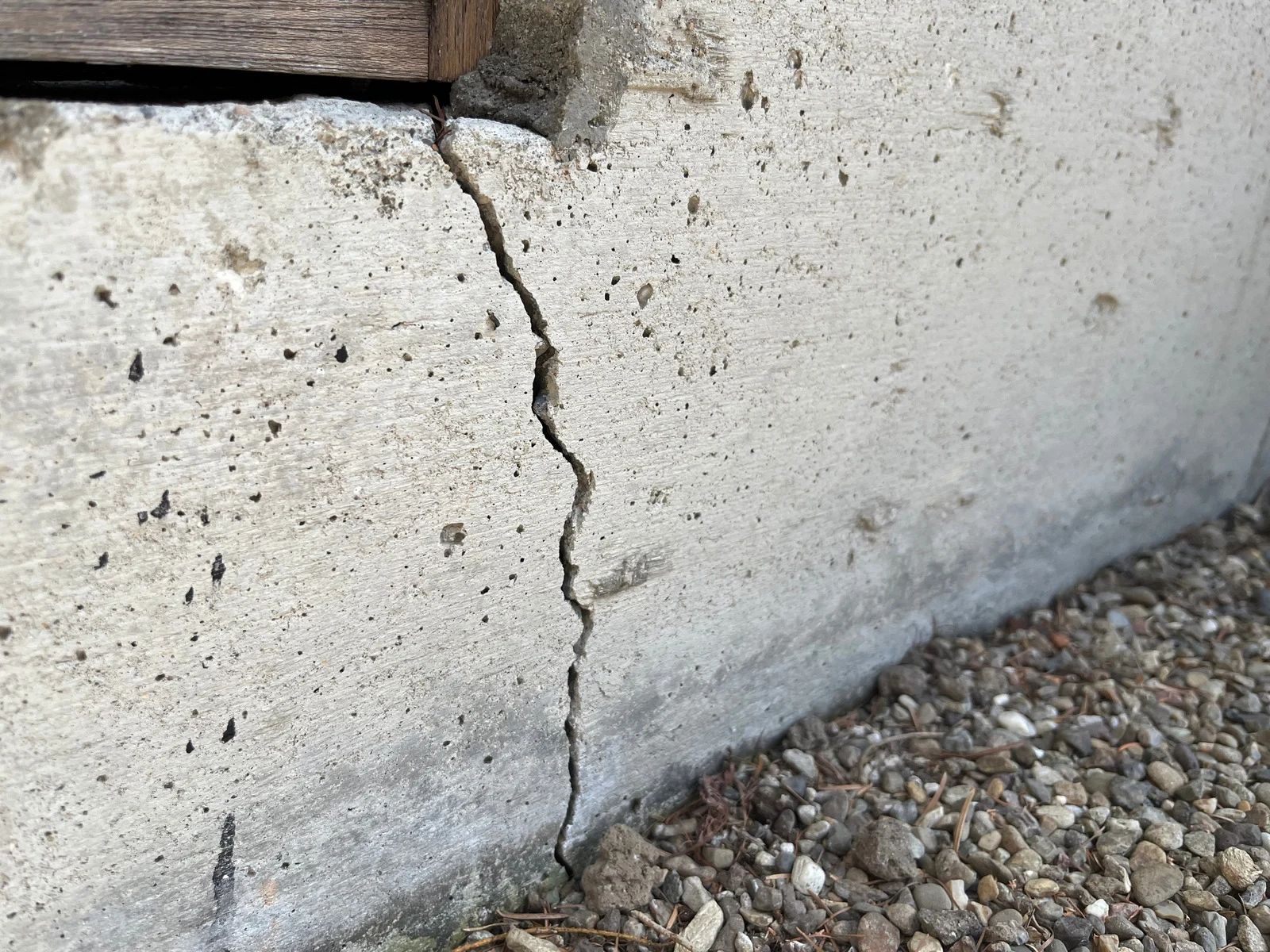
The second cause is frost. When the ground freezes four feet down or deeper, it lifts and shifts buried pipe, opening joints and creating low spots that trap water. A pipe that ran clean last fall can hold a standing pool by April. Add silty, slow-draining soil that holds moisture instead of letting it percolate, and water that should vanish into the ground stays on the surface and heads for your foundation.
How we find and fix a failing storm drain
Finding the break starts at the water and works backward, not forward. We begin at the low spot where it pools, then follow the intended path uphill to the inlet, checking the grate, the catch basin sump, and the first few feet of pipe for sand and ice. From there we probe the run for a belly, a low section that holds water, or a crushed length where frost or a heavy load flattened it. The outfall comes last, since a pipe can be perfect end to end and still flood the yard when the daylight end is buried.
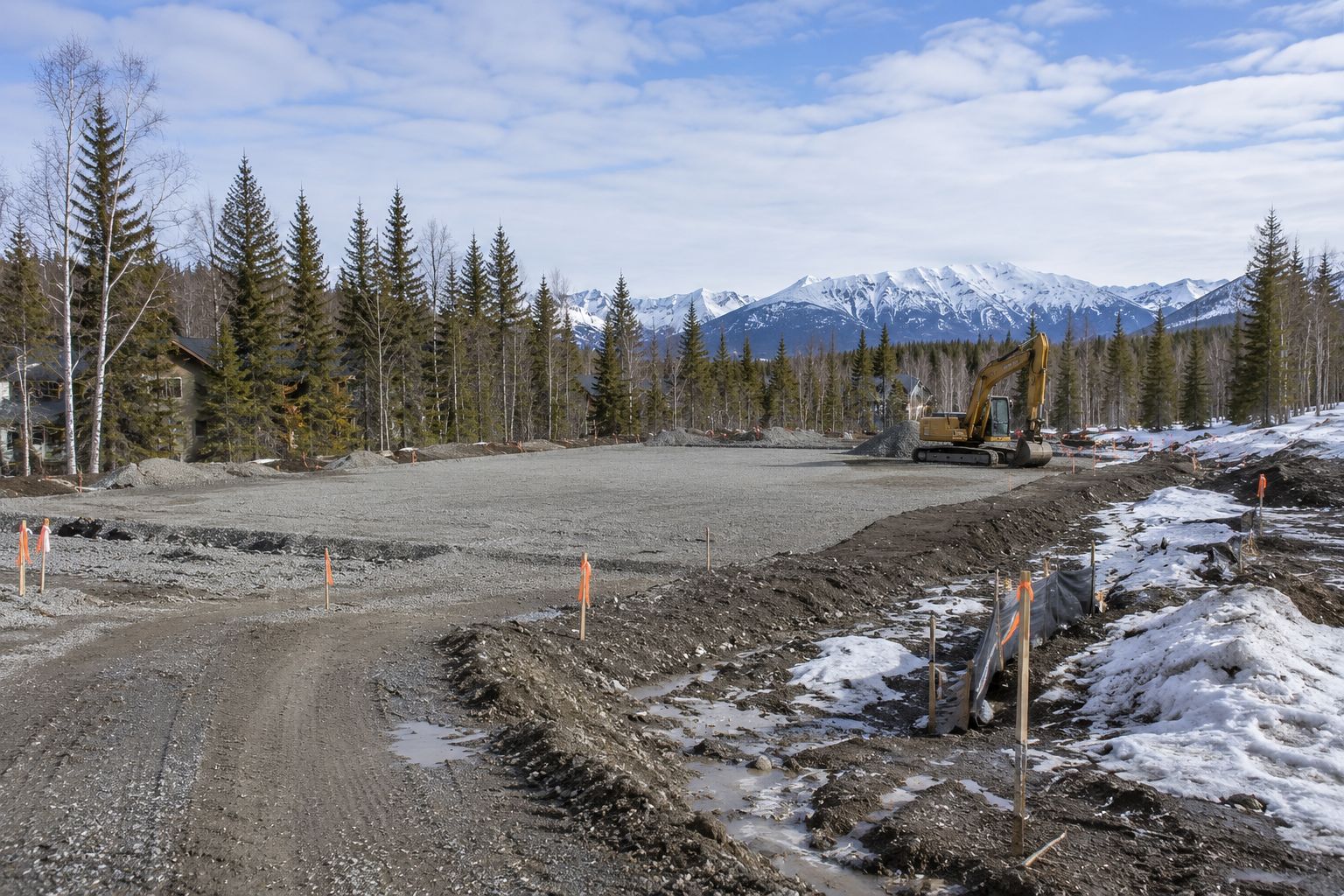
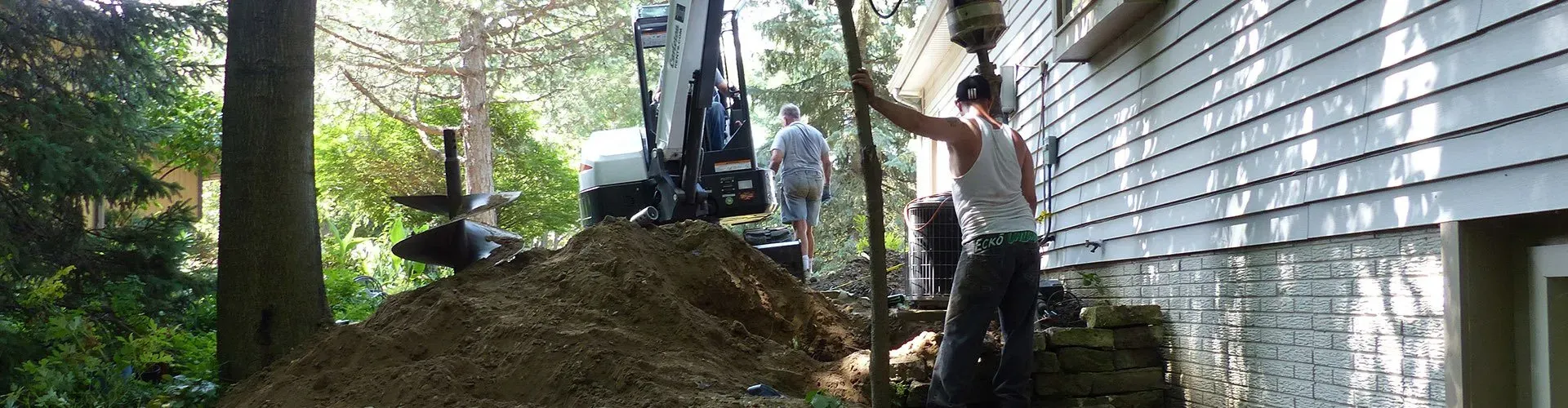
What we pull out of the ground tends to repeat. Catch basins full of traction sand. Culverts under driveways squeezed shut by frost. Pipe that drifted an inch or two out of line in soft fill. A choked grate or sump you can often clear yourself. A bellied pipe, a heaved catch basin, or a lot that drains toward the house instead of away needs us to open the ground, reset the slope, and set the path right.
Keeping water moving through every season
Drainage holds up when you stay ahead of the grit and the freeze. Before the first snow, clear leaves and sand off every grate and mark each catch basin with a tall stake so you can find it once the yard is white. Through winter, keep plowed snow off the inlets and out of the natural runoff path. A snow pile parked on the catch basin is the most common reason a yard floods at breakup, because all that meltwater hits a grate it cannot reach.
When the thaw begins, shovel the sand and gravel off the grates as the snow pulls back so the first runoff has somewhere to go. Once a year, have the pipe run and the culvert under your driveway checked for silt and bellies. And resist the urge to slope a new patio or regraded bed back toward the house. Water follows whatever slope you give it, so point it away.
Frequently Asked Questions
How do I know if my storm drain is frozen or just clogged?
Pour warm water onto the grate and watch what happens next. If the water disappears, the surface opening is likely clear and ice deeper in the line may be restricting flow. If water pools immediately above the grate, debris, sediment, or leaves are likely blocking the inlet itself.
Can I clear a blocked catch basin myself?
Yes, if the blockage is limited to debris at the surface. Remove the grate if accessible, clear accumulated leaves, sand, and sediment, then rinse the area thoroughly. If water continues backing up after cleaning, the obstruction is likely deeper underground and may require professional excavation.
Why does my yard flood worse during spring breakup?
During spring thaw, snow often melts faster than frozen soil can absorb water. As a result, runoff travels across the surface toward low areas. If storm drains or catch basins are blocked by snow, ice, leaves, or winter debris, flooding conditions can worsen significantly throughout.
How long can I wait before a slow drain turns into a real problem?
A slow-draining catch basin should be addressed as soon as possible. During heavy rain or spring thaw, minor drainage restrictions can quickly become major flooding issues. Prompt cleaning helps prevent overflow, while professional inspection may identify hidden underground problems before they become expensive repairs later.
Is standing water near my foundation dangerous?
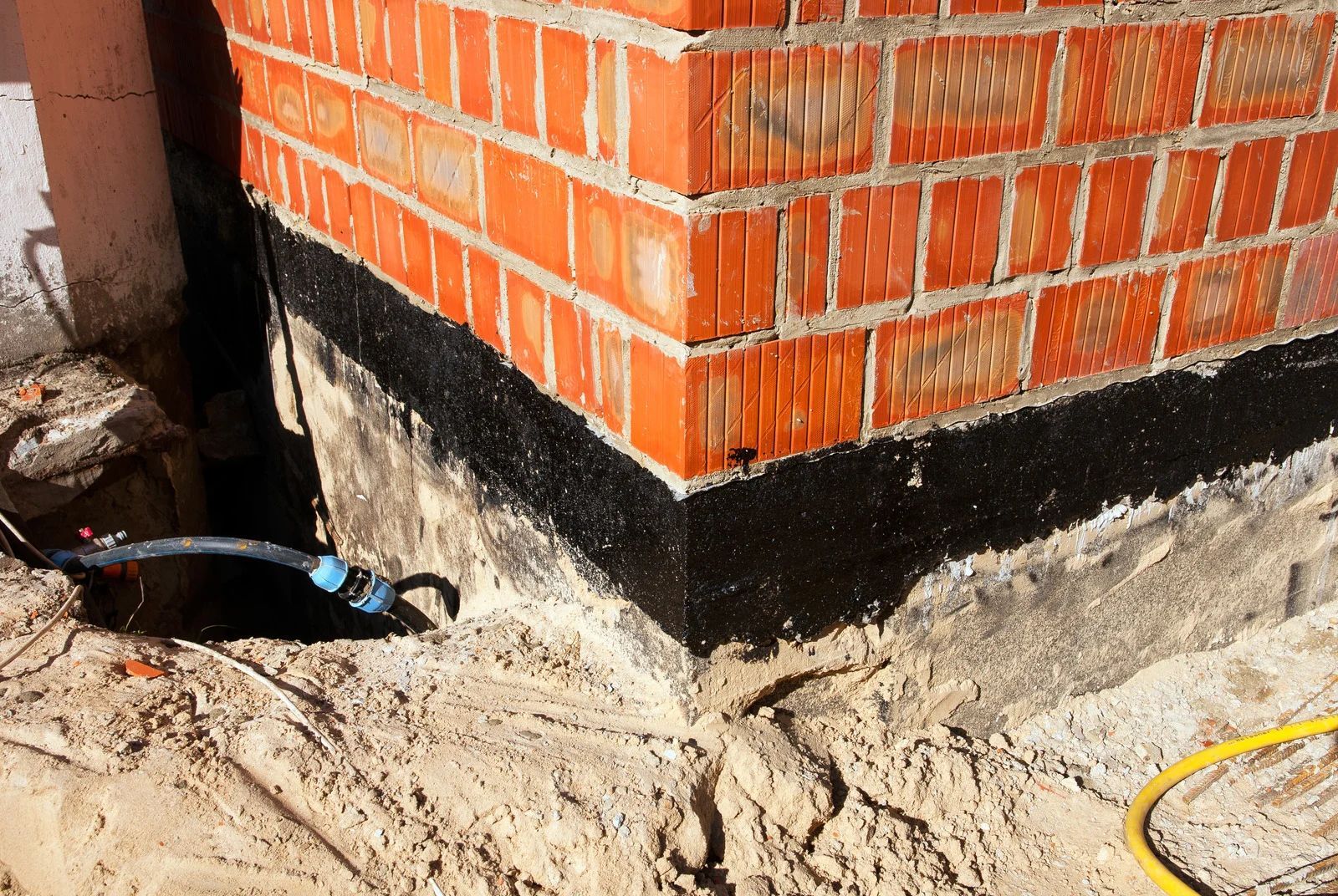
Yes. Standing water around a foundation can increase the risk of basement seepage, soil erosion, and structural concerns over time. Water near electrical equipment also creates potential safety hazards. Addressing drainage issues quickly helps protect both the building structure and the safety of occupants.
Proven Experience That Stops Flooding At The Source
The principle behind every fix is the same: the water you see is the symptom, and the blocked or broken link upstream is the cause, so trace the path of your
storm sewer
before you ever touch the puddle. That work is harder here than almost anywhere, because deep frost, heavy traction sand, and a fast spring breakup gang up on drainage that would sit untouched for years in a milder climate. If your lot is pooling, freezing over, or creeping toward the foundation, we can find the break and put the slope back where it belongs. AA Dirtwork & Snow Removal
has spent 33
years moving water and earth across Anchorage, from the Hillside and South Anchorage to Eagle River, Chugiak, and Muldoon. Reach out before the next breakup turns your yard into a pond.