Tools, Techniques And Tips For Successful Excavation
Excavation is a fundamental aspect of both construction and archaeology, requiring planning, the right tools, and specific techniques to ensure successful completion. This blog will delve into the various facets of excavation, offering insights into the essential tools, effective techniques, and crucial tips to guide your next excavation project.
Understanding the Basics of Excavation
At its core, excavation removes soil, rock, and other materials to create a cavity or hole in the ground. Its applications range from construction projects for laying foundations, building reservoirs, and constructing roads to archaeological endeavors aimed at unearthing historical sites. The nature of an excavation project can vary greatly, influenced by factors such as the scale of the project, the specific location, and the ultimate goal of the excavation.
Essential Tools for Excavation
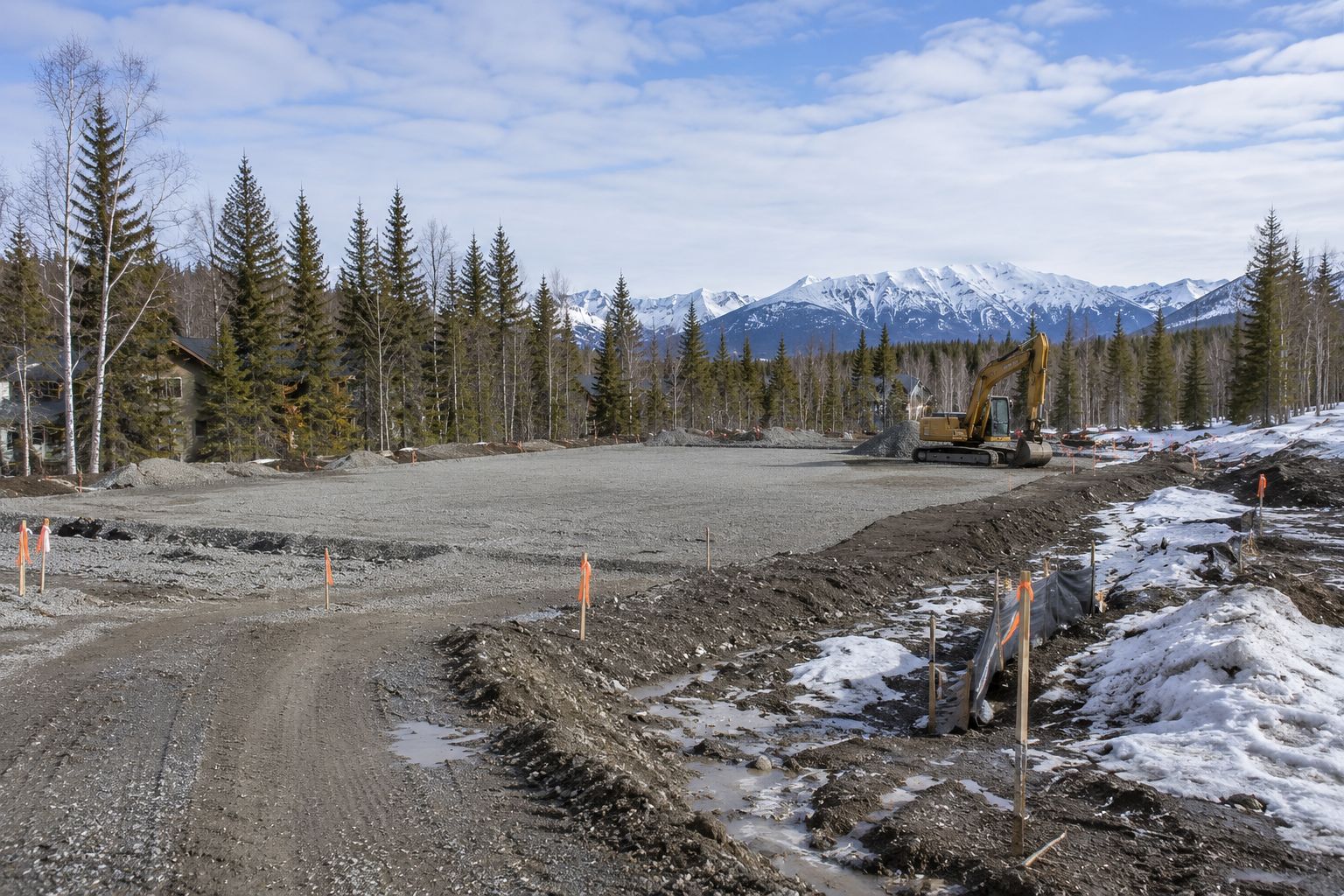
The tools required for an excavation project can vary significantly based on the project's size and scope. For large-scale excavations, heavy machinery like excavators are indispensable. These machines come in various sizes, from compact models suitable for smaller projects to larger, more powerful versions for extensive excavation work. Hand tools such as shovels and spades are crucial for finer, more detailed work.
Techniques for Effective Excavation
Employing the right excavation technique is pivotal for the success of the project. In archaeological excavations, the grid method is often employed. This involves dividing the site into a grid pattern to ensure systematic and thorough excavation. Step trenching is a common technique in construction, particularly for deeper excavations. This method helps prevent soil collapse, ensuring the safety of the workers and the integrity of the surrounding structure. Another exciting technique is hydraulic excavation, which involves high-pressure water to soften the ground. This method is beneficial in areas where traditional digging methods might be too invasive or could cause damage.
Tips for Successful Excavation
The success of an excavation project doesn't just rely on having the right tools and techniques; it also hinges on careful planning and adherence to safety protocols. A well-thought-out plan is the foundation of any successful excavation project. This includes clearly understanding the work scope, the machinery required, and a realistic project timeline. Safety must be a top priority in any excavation work. Strict adherence to safety protocols is essential to protect the workers and prevent accidents. Another key aspect is the regular inspection of equipment. Ensuring machinery and tools are in good working order can prevent breakdowns and accidents on-site. Being aware of the surroundings is also critical.
Conclusion
Successful excavation involves employing the right tools, utilizing effective techniques, and adhering to best practices for safety and efficiency. Whether the project is in the realm of construction or archaeology, a deep understanding of these elements can profoundly impact the outcome. Prioritizing thorough planning and safety while staying abreast of the latest developments in excavation methodologies and equipment is crucial. Remember, a well-executed excavation not only contributes to the success of the current project but also lays a solid foundation for future endeavors.