Why Proper Land Clearing is Essential Before Building Your Dream Property
Building your dream property is an exciting journey, filled with opportunities to create a space that reflects your vision and lifestyle. However, before the first brick is laid or foundation poured, one of the most critical steps in the construction process is proper land clearing. Many homeowners underestimate this phase, seeing it as merely removing trees or brush, but its importance extends far beyond aesthetics. Land clearing sets the stage for structural stability, safety, and long-term functionality of any property. Without careful planning and execution, even the most beautifully designed project can face delays, increased costs, or structural challenges.
Proper land clearing involves more than cutting down vegetation; it requires thorough site assessment, debris removal, grading, and preparation to ensure the ground can support construction activities. It also addresses potential environmental and legal considerations, reducing future complications. By understanding the significance of this process, property owners can make informed decisions that safeguard their investment and streamline construction. In essence, effective land clearing is the foundation upon which your dream property is built—literally and figuratively—making it an indispensable part of the building process.
1. Understanding Land Clearing and Its Importance
What Land Clearing Entails
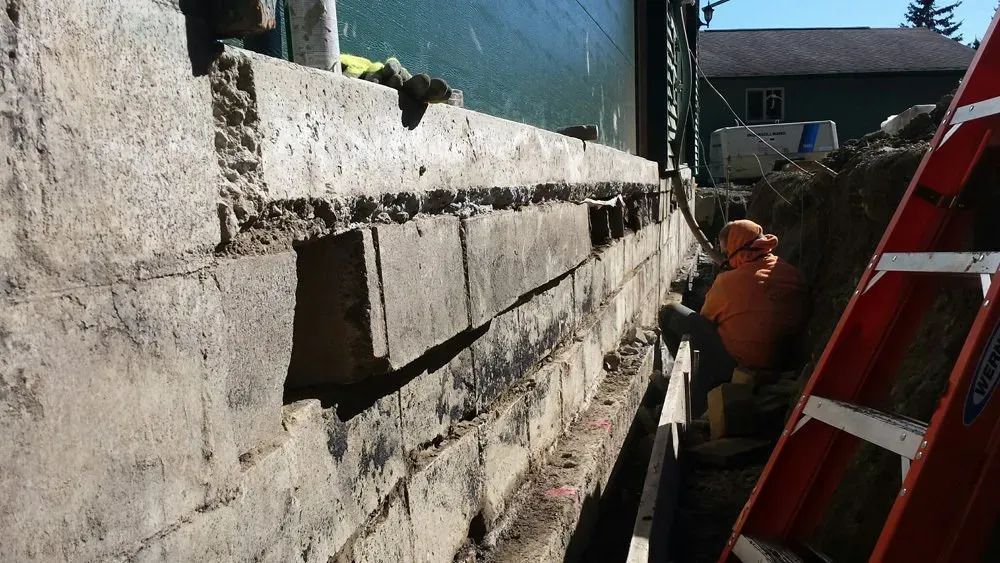
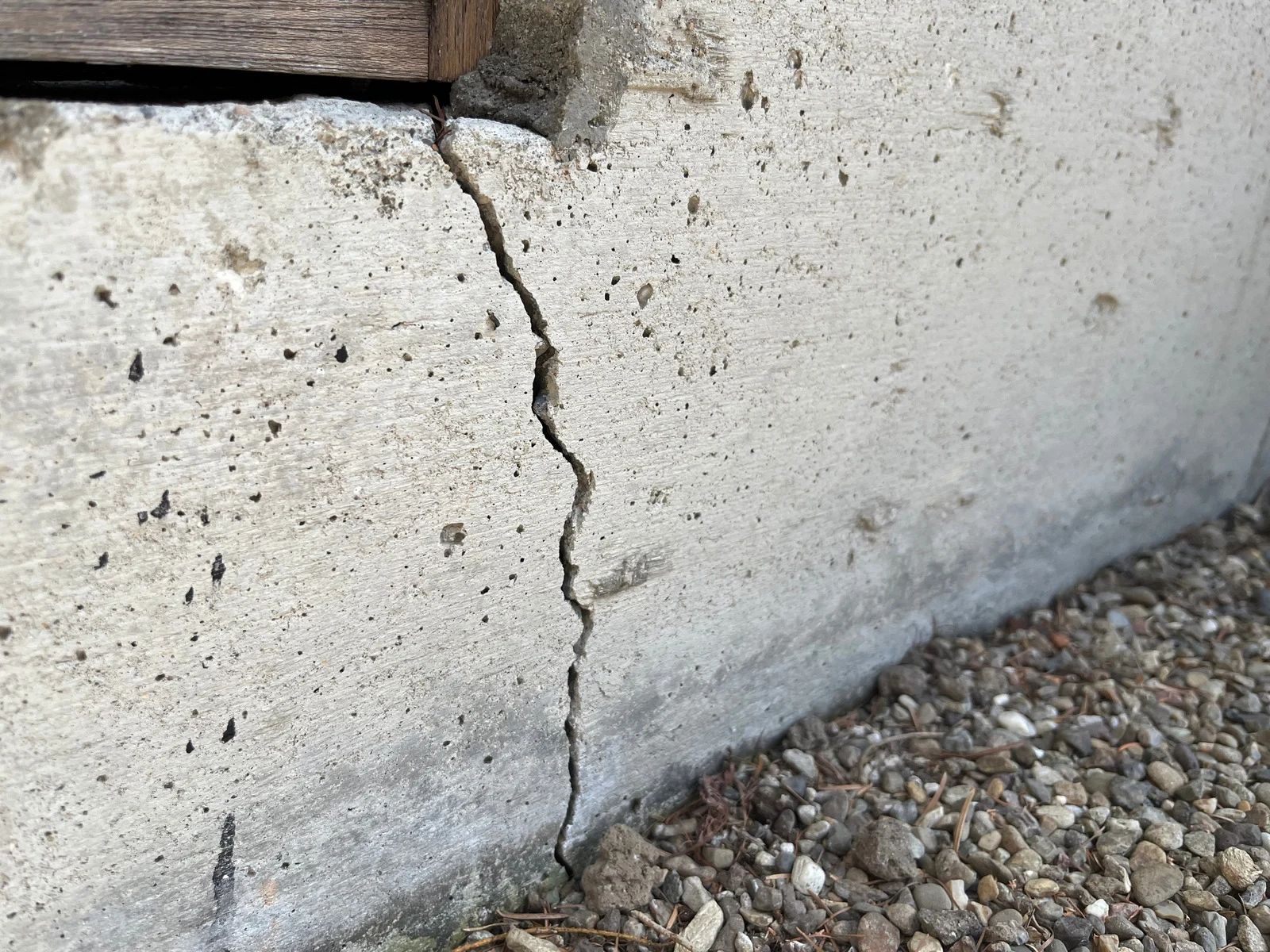
Land clearing is the systematic removal of trees, shrubs, rocks, and other obstacles from a plot of land in preparation for construction projects and development. The process often includes stump removal, grading, soil stabilization, and debris management to create a safe environment. Each step is designed to create a level, stable, and secure site for building, allowing heavy machinery to operate efficiently and ensuring the foundation is laid on strong, reliable ground. Neglecting proper land clearing can result in uneven surfaces, soil erosion, and structural instability, which may later manifest as cracks in foundations, leaning structures, or water damage over time if not carefully addressed.
Why It Matters for Construction Projects
The importance of land clearing lies in its ability to prevent construction issues before they arise, saving time and reducing costs. A properly cleared site ensures that machinery and workers have unobstructed access, reducing delays, accidents, and potential hazards during the building process. It also allows for accurate surveying, grading, and drainage planning, which are essential for long-term property sustainability and safety. By investing sufficient time and resources in proper land preparation, homeowners and builders protect their property from unexpected complications and avoid costly remedial work both during and after construction.
2. Assessing the Site Before Clearing
Conducting a Site Evaluation
A thorough site assessment is the first step in proper land clearing, ensuring the project starts correctly and safely. Experts examine soil type, terrain, existing vegetation, and potential obstacles such as rocks, wetlands, or underground utilities before any work begins. Soil analysis is particularly critical, as it determines load-bearing capacity and informs decisions about foundation type, drainage, and grading requirements. Without this careful evaluation, construction may proceed on unsuitable terrain, increasing the risk of foundation failure, uneven settling, or long-term structural problems that could be expensive to fix later.
Identifying Environmental and Legal Considerations
Before clearing begins, it is essential to consider environmental regulations and local zoning laws to avoid future complications and fines. Certain trees, wetlands, or habitats may be protected, requiring permits or alternative approaches to land clearing activities. Understanding these regulations early prevents legal complications and unnecessary delays. Additionally, planning for erosion control, stormwater management, and soil conservation ensures compliance with environmental standards while protecting the property from water damage, soil degradation, or other unintended consequences of construction.
Real-World Example
Consider a homeowner preparing a wooded lot for a custom-built home in a residential development. Skipping the site evaluation and starting construction immediately could lead to hidden issues, such as unstable soil, protected tree species, or underground obstacles, causing project delays and additional costs. Proper assessment ensures a smooth, legally compliant process from the outset and minimizes risk for both builders and homeowners during the construction journey.
3. Techniques and Best Practices for Land Clearing
Mechanical Clearing Methods
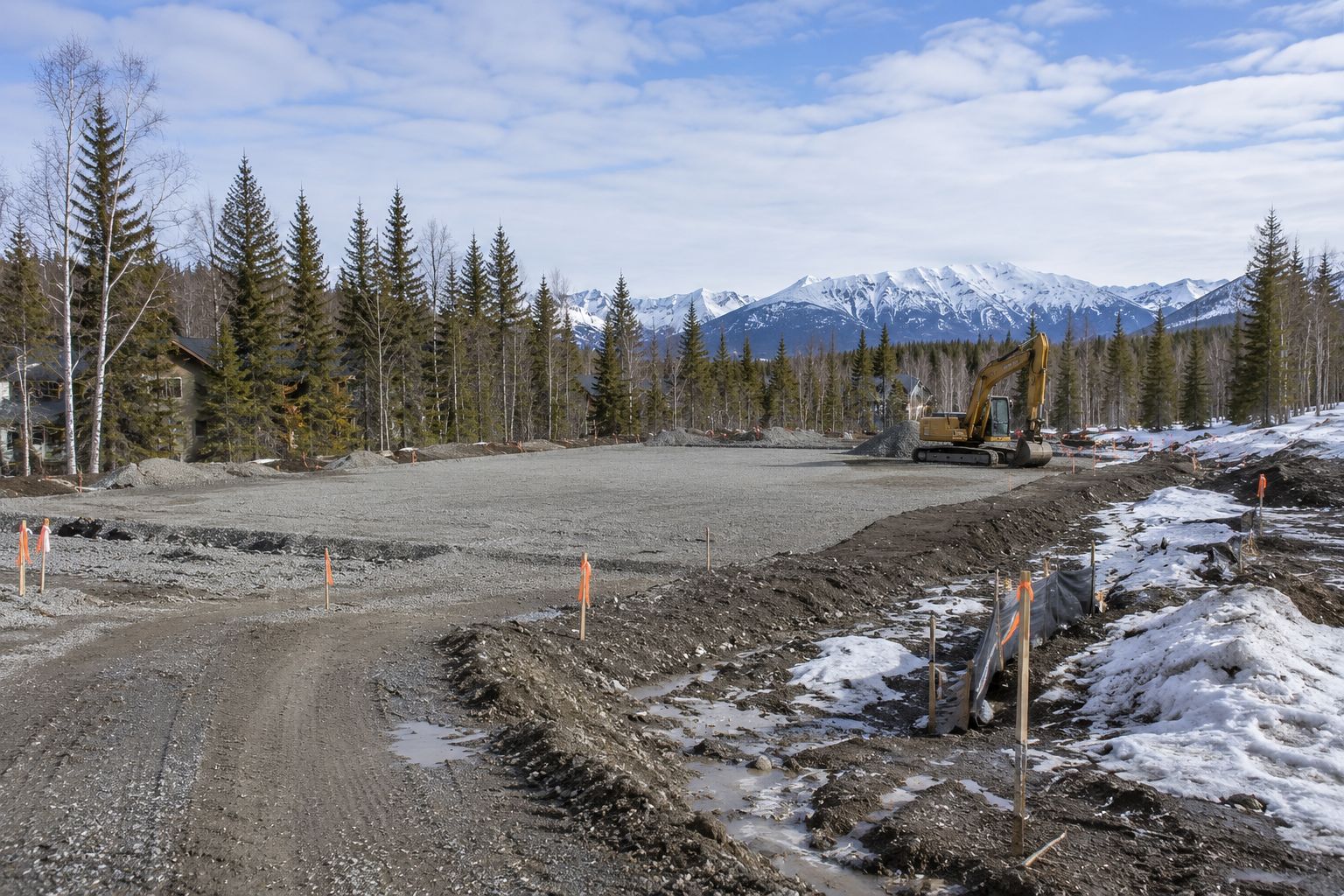
Mechanical clearing uses heavy machinery such as bulldozers, excavators, and mulchers to remove trees, brush, and stumps quickly and efficiently. This method is ideal for large plots and ensures a uniform, graded surface ready for construction activities. However, it requires skilled operators to avoid damaging soil structure, vegetation, or leaving debris that could compromise foundation integrity and construction safety in the long term. Proper planning ensures the process is efficient, safe, and environmentally responsible.
Manual and Selective Clearing
For smaller plots or environmentally sensitive areas, manual or selective clearing is often preferred to minimize ecological impact. Skilled workers remove only necessary vegetation while preserving desirable trees and landscape features, maintaining natural aesthetics and ecological balance. While slower and more labor-intensive, this method allows for precise planning around existing features that enhance property value and ensures minimal disturbance to the environment during the construction preparation process.
Grading and Soil Preparation
After vegetation removal, grading is essential to level the land and establish proper drainage, preventing future water issues. Improper grading can lead to water accumulation, erosion, and foundation problems over time. Soil compaction, stabilization, and reinforcement techniques are often used to strengthen the ground, ensuring it can safely support structures while minimizing future settlement and potential long-term repair costs.
Preventing Common Challenges
One of the most common challenges in land clearing is managing debris, erosion, and potential soil instability. Best practices include using erosion control blankets, silt fences, and retaining walls where necessary to protect the site. Removing stumps entirely, rather than leaving them to decay naturally, prevents pest infestations and interference with underground utilities or landscaping plans. Proper planning, execution, and risk management strategies mitigate long-term risks and reduce future maintenance costs after construction is complete.
4. Environmental and Safety Considerations
Minimizing Environmental Impact
While clearing land is necessary for construction, it must always be done responsibly to protect the surrounding ecosystem. Preserving topsoil, protecting nearby water sources, and avoiding unnecessary tree removal are critical considerations during the process. Sustainable practices, such as replanting native vegetation post-construction, mulching cleared materials, and managing runoff, maintain ecological balance and support long-term property health and biodiversity on the site.
Safety Precautions
Land clearing involves operating heavy machinery, handling debris, and navigating uneven or unpredictable terrain, which can pose significant risks. Adhering to strict safety protocols, training operators, and equipping workers with proper personal protective equipment (PPE) reduces accidents and injuries. Regular equipment inspections, careful planning, and hazard identification further ensure a safe and smooth clearing process throughout the project.
Regulatory Compliance
Failing to comply with environmental or safety regulations can result in fines, construction delays, or legal disputes that disrupt the project timeline. By integrating regulatory compliance into every stage of land clearing, property owners avoid complications and demonstrate responsible building practices that support both environmental stewardship and long-term project success.
5. Benefits of Proper Land Clearing
Structural Stability and Longevity
One of the most significant benefits of thorough land clearing is ensuring a stable and durable foundation for construction projects. Removing obstacles, grading the land, and stabilizing soil prevents uneven settling and structural damage over time. Homes and buildings constructed on well-prepared land experience fewer issues such as foundation cracks, water infiltration, or compromised structural integrity, saving homeowners substantial repair costs in the future.
Enhanced Accessibility and Efficiency
Properly cleared land allows construction crews and machinery to access all areas efficiently, reducing bottlenecks and downtime during the building process. Reduced obstructions speed up workflow, minimize accidents, and optimize resource utilization. This efficiency directly translates into cost savings, faster project completion, and more predictable construction timelines.
Aesthetic and Functional Value
Beyond structural benefits, proper land clearing improves the aesthetic appeal, usability, and overall functionality of the property. It provides a clean canvas for landscaping, gardens, patios, and outdoor living spaces. Strategic clearing also allows homeowners to retain desirable natural features, balancing environmental preservation with visual appeal and practical property use.
Long-Term Investment Protection
Investing in proper land clearing is a proactive strategy that safeguards property value for decades. Preventing erosion, water damage, and structural issues ensures minimal future maintenance and repairs. This forward-thinking approach guarantees that your dream property remains both functional and visually appealing, protecting your long-term financial and personal investment in the land.
6. Choosing the Right Professionals for Land Clearing
Evaluating Expertise
Selecting a reputable and experienced land clearing company is crucial for project success and efficiency. Skilled professionals understand soil types, grading techniques, environmental regulations, and machinery operation, allowing them to provide a tailored plan. They balance efficiency, safety, and environmental responsibility while ensuring all aspects of the clearing process are executed correctly.
Comprehensive Services
The best land clearing companies offer end-to-end services, including site assessment, debris removal, grading, erosion control, and soil stabilization for consistent quality. Working with a single provider ensures continuity, accountability, and streamlined communication throughout the project, minimizing mismanagement or costly oversights.
Real-World Scenario
For instance, a homeowner hiring an inexperienced team may face incomplete debris removal, uneven grading, or non-compliance with local regulations, creating delays and additional expenses. Partnering with experienced professionals ensures the site is properly prepared, allowing construction to proceed smoothly, safely, and without interruptions or expensive corrections during the building process.
Experienced Team Delivering Quality Land Clearing Solutions
Proper land clearing is more than a preparatory step; it is a fundamental component of successful property construction. By evaluating the site, selecting appropriate clearing techniques, addressing environmental and safety considerations, and ensuring structural readiness, homeowners set the stage for a smooth, efficient, and sustainable building process. The benefits of thorough land preparation extend beyond immediate construction needs, enhancing long-term property value, accessibility, and functionality. Ignoring this crucial step can lead to unexpected delays, increased costs, and structural complications that may compromise the dream property you envision.
At AA Dirtwork & Snow Removal in Anchorage, Alaska, our 33 years of experience make us a trusted authority in professional land clearing. We specialize in preparing properties for construction with precision, safety, and environmental responsibility. From comprehensive site assessments to grading and soil stabilization, our team ensures every project is executed efficiently and meets the highest standards. Choosing AA Dirtwork & Snow Removal guarantees peace of mind, allowing homeowners to focus on building their dream property on a solid, well-prepared foundation.