Storm Drain Vs. Sewer Drain: What's The Difference
When it comes to drainage systems, it is easy to get confused between storm drains and sewer drains. While both of these systems play a crucial role in managing wastewater, they have different functions and operate in different ways. Understanding the differences between the two can help homeowners and city planners make informed decisions about their drainage needs.
What is a Storm Drain?
A storm drain is a type of drainage system designed to manage rainfall and prevent flooding. The system works by collecting rainwater and directing it to nearby bodies of water such as rivers, lakes, and oceans. Storm drains are typically found on streets, parking lots, and other paved areas.
What is a Sewer Drain?
A sewer drain is a type of drainage system designed to manage wastewater from homes, businesses, and industries. Sewer drains are typically connected to a larger system of pipes that carry the wastewater to a treatment plant, where it is treated and released back into the environment.
How do Storm Drains and Sewer Drains Differ?
The main difference between storm drains and sewer drains is the type of water they manage. Storm drains manage rainwater, while sewer drains manage wastewater from homes and businesses. Additionally, storm drains are designed to prevent flooding and erosion, while sewer drains are designed to prevent health hazards by managing wastewater.
Differences in Design
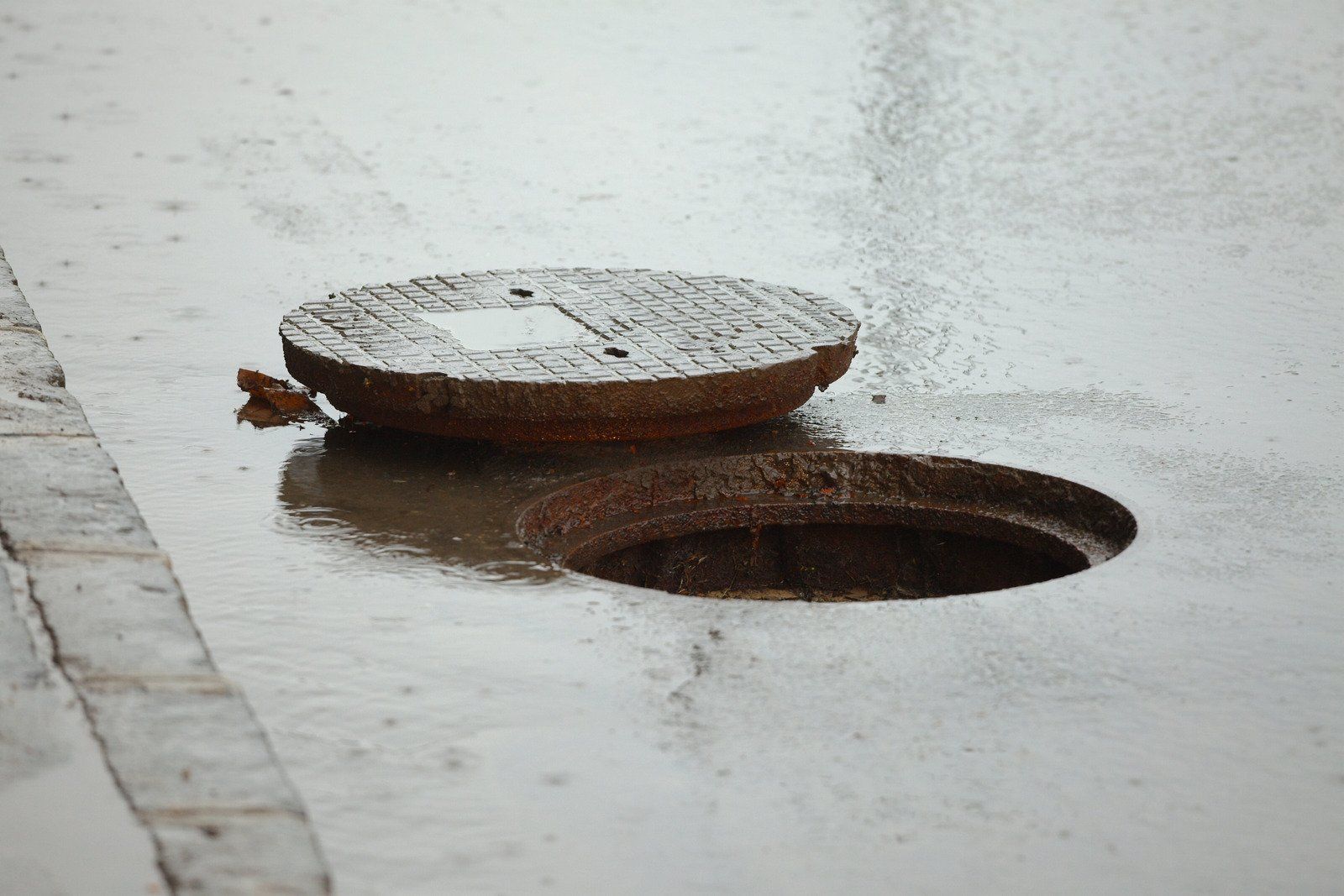
The design of storm drains and sewer drains is different. Storm drains are usually open on the top, allowing rainwater to flow easily. They are also designed to handle large amounts of water quickly to prevent flooding. In contrast, sewer drains are covered, and they have an intricate system of pipes that transport wastewater to treatment plants. These pipes must be able to handle solid waste and other debris that may clog them.
Where Does the Water Go?
The water managed by storm drains is typically released into nearby bodies of water, such as rivers or oceans. However, the water managed by sewer drains is treated at a wastewater treatment plant before being released back into the environment.
Maintenance and Cleaning
Both storm drains and sewer drains require regular maintenance and cleaning. Storm drains are often cleaned using a vacuum truck, while sewer drains may require the use of specialized equipment to remove blockages and prevent backups.
Environmental Impact
Both storm drains and sewer drains have a significant impact on the environment. Improperly managed stormwater runoff can lead to pollution of water bodies, soil erosion, and other environmental issues. On the other hand, sewer drains are responsible for carrying wastewater, which can contain harmful chemicals and pollutants that can be hazardous to aquatic life and humans if not properly treated.
Conclusion
Understanding the differences between storm drains and sewer drains is crucial for homeowners and city planners to manage their drainage needs effectively. While both systems play a crucial role in managing wastewater, they have different functions and operate in different ways. By understanding these differences, individuals can make informed decisions about their drainage needs and help prevent flooding and other water-related problems. Regular maintenance and cleaning of both systems are also important to ensure their proper functioning and prevent costly repairs.