Grading and Site Clearing: Preparing the Ground for Building
Any new building project requires the preparation of the site land upfront. It helps make sure that the site is ready for the construction work. Proper site preparation can make all the difference between a successful project and poor quality work. For both small and large construction projects, you need to effectively prepare the site so that it is safe and ready for the project.
However, the
site preparation process involves many steps, including site clearing, land grading, soil compaction, and more. Without these initial processes, the work could seem like it is finished, but it will lead to long-term problems.
What is Site Clearing?
Before you start the construction work, you need to remove trees, bushes, and rocks and make sure the space is clean and empty. Also, you need to demolish any existing building on the site. This will remove all obstacles and ensure that the site is ready for the work to begin.
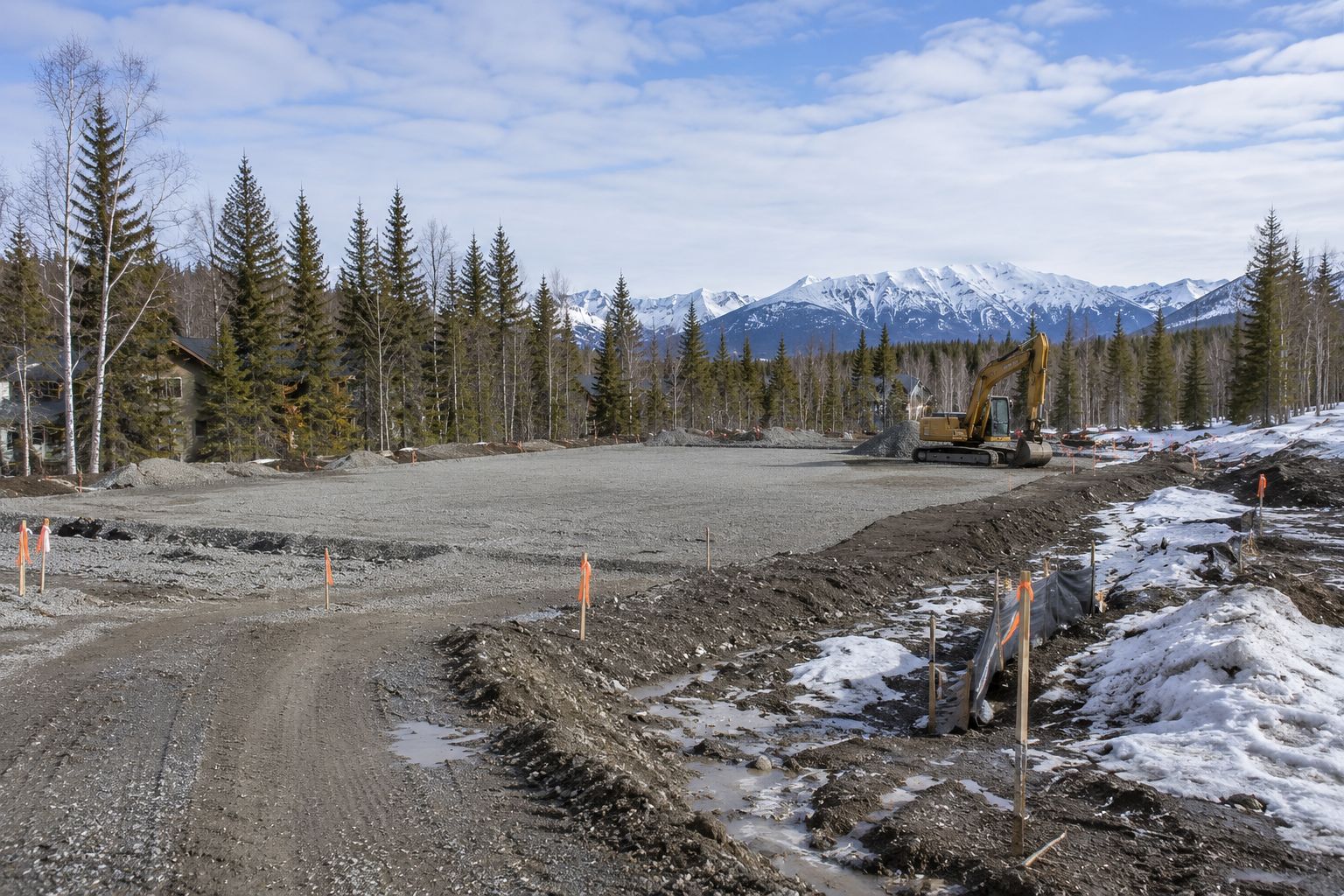
Workers use heavy machines and vehicles, such as bulldozers and excavators, to clear the site of unwanted elements. When this step is complete, the construction team can start their actual work.
Importance of Grading
Grading is the step in which you need to create a stable base for the work. It helps set the right slope for the building site. It ensures that the water flows away from the structure. It also prevents water from seeping into the foundation. Professional service providers use tools like graders and bulldozers to do the process. They move soil from a higher spot to a lower one to prepare the site.
Steps for Soil Compaction
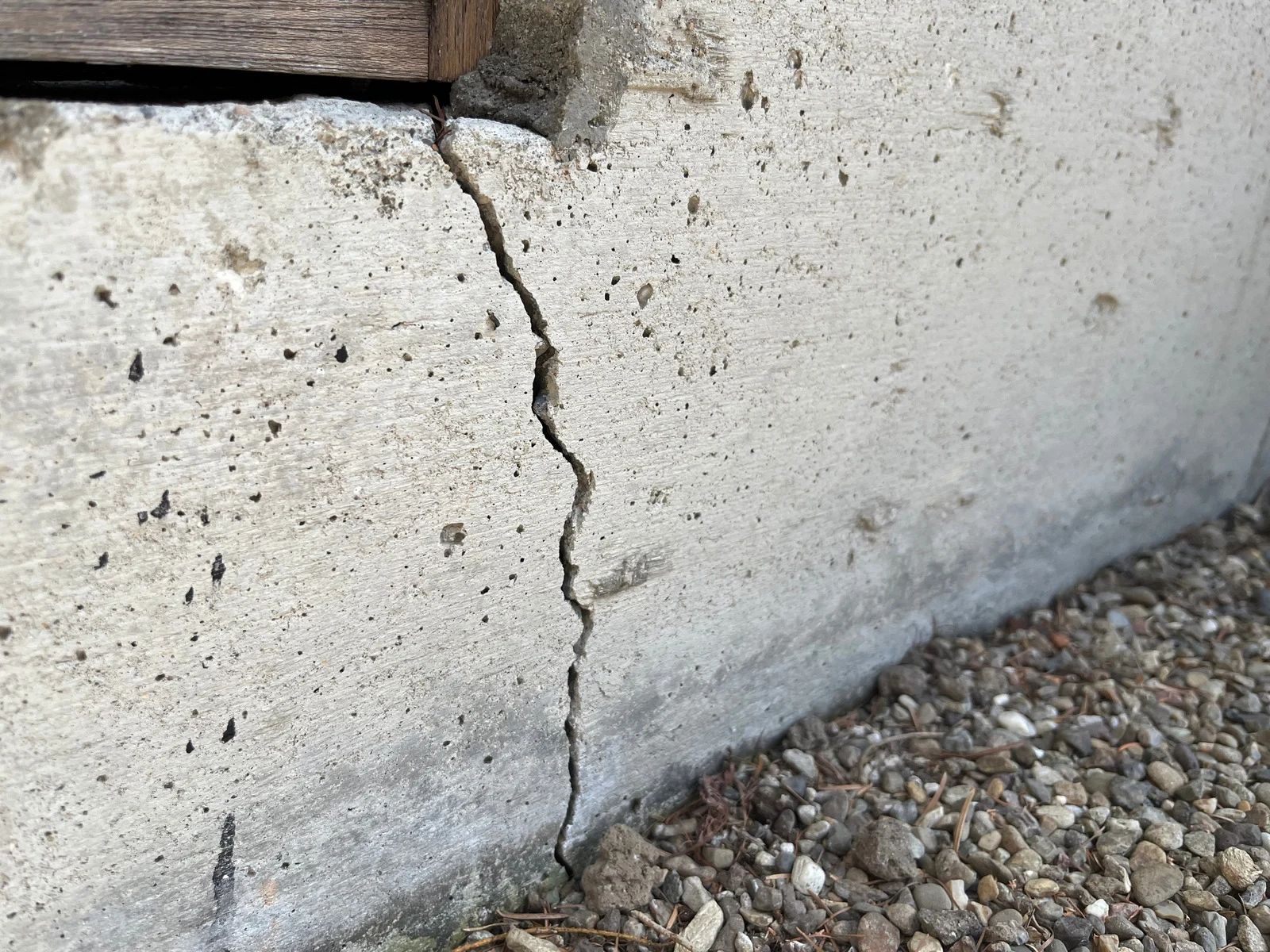
Soil compaction is also important for site preparation. Without this, loose soil can shift and cause cracks in the foundation. Workers use compacting machines to press the soil. It creates a base for the building that is compact.
Drainage System Installation
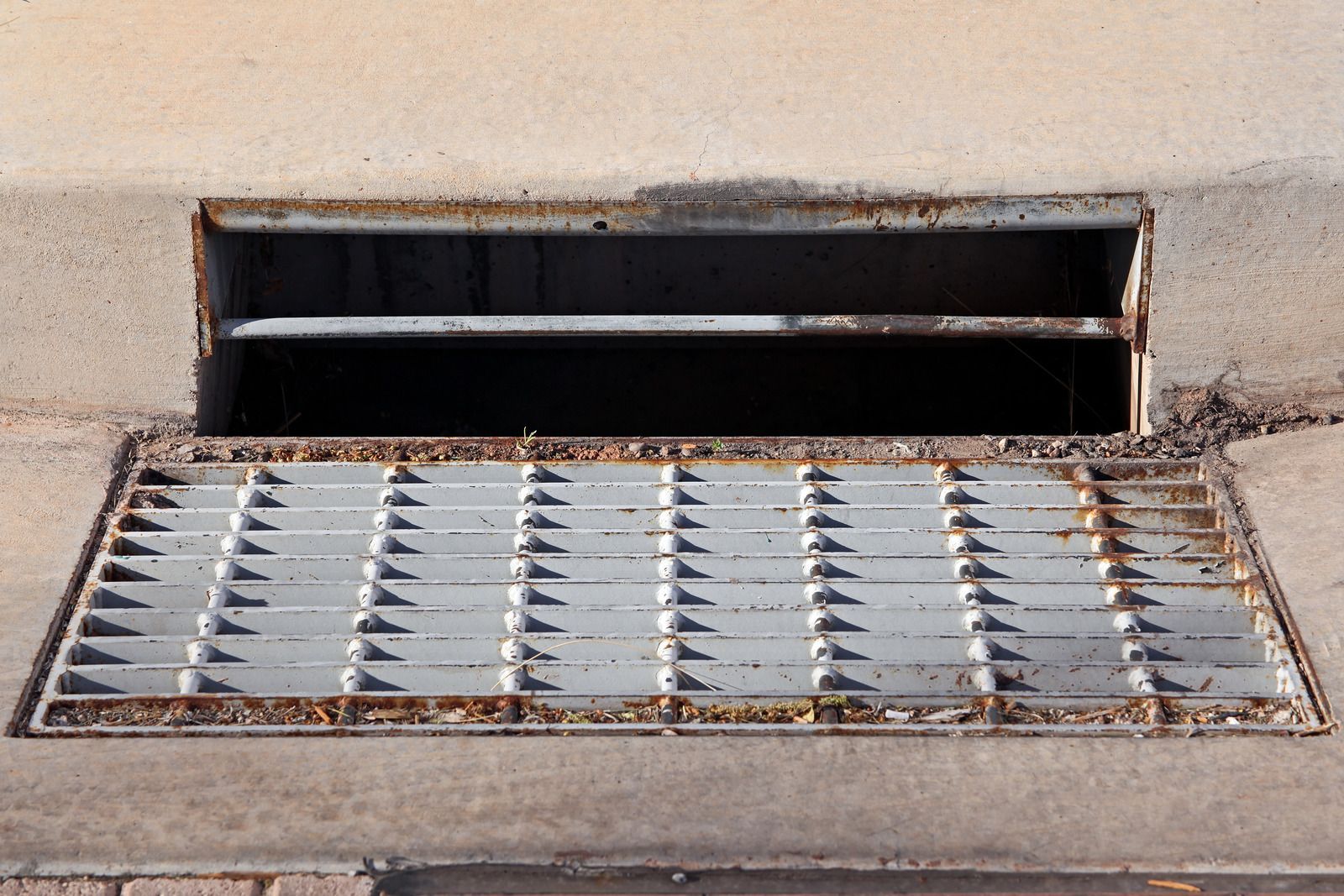
Good drainage is important when you are doing a building project. Proper drainage system prevents water collection around the foundation of the building. With the right drainage system in place, it is easy to guide water away from the site.
Erosion Control
Soil erosion can weaken the foundation of your building. For this reason, you need to focus on erosion control. You can use erosion control methods. Wind and water can move loose soil, especially on sloped land. This can lead to soil erosion, which weakens the ground beneath a building. To prevent this, experts often place barriers, like retaining walls or silt fences, around the site.
Utility Installation
With the land cleared and graded, it becomes easier to install utilities. Utility lines for electricity, water, and sewage need to be placed before construction begins. This ensures that all necessary services are available when the building is complete.
Final Preparation
After clearing, grading, compacting, and utility installation, the site is finally ready for construction. Workers double-check the ground for any issues. They make sure everything is properly leveled, and the drainage systems are in place.
In conclusion, grading and site clearing are important steps in any construction project. They provide a strong foundation, ensure proper drainage, and help prevent future problems. Starting with a well-prepared site sets the stage for a successful and long-lasting building. Opt for reliable expert help when you need your land graded and cleared.