Minimizing Environmental Impact by Professional Sustainable Site Preparation
The negative impact on the environment is vast these days. Studies say the real estate industry is the biggest reason for global carbon dioxide emissions. Around 30% of the emissions are caused by construction companies, which shows that they are the ones that pose the biggest threat to the environment. Around 600–700 tons of debris are generated in a single year. In which around 20–30 percent of the total waste is recycled, leading to polluted lands and the environment. A sustainable waste management plan should be planned to diminish the amount of waste generated every year.
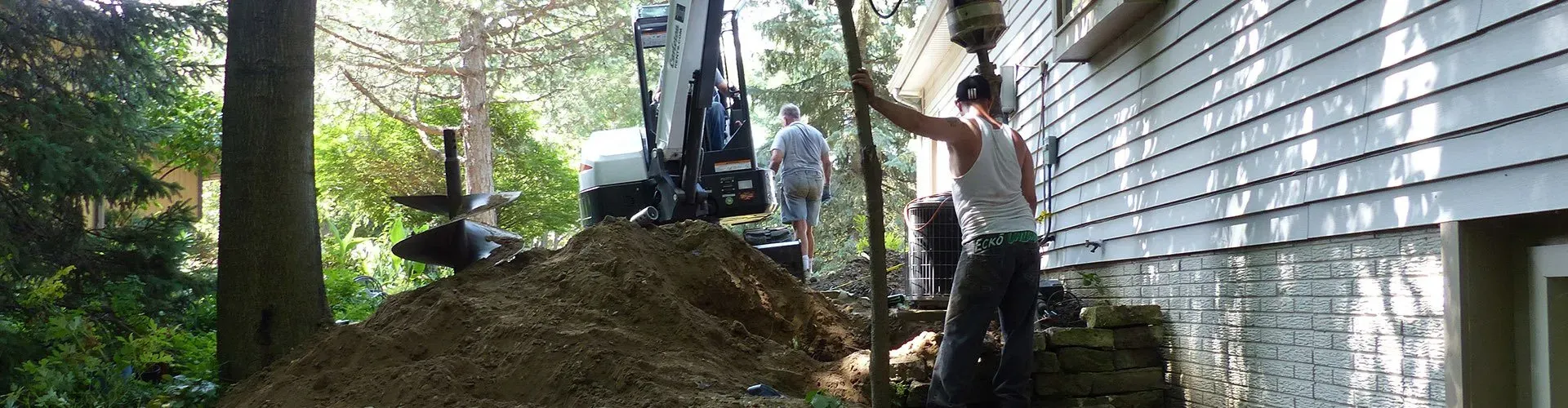
Professional and expert companies practice construction and do other jobs that help minimize the negative impact on the environment in an eco-friendly manner. Such companies provide services such as snow removal, foundation waterproofing, excavation services, and more. All projects follow an eco-friendly pattern and are affordable.
Advantages Of Sustainable Site Preparation
Reduced environmental impact
Sustainable measures in site preparation reduces the risk of environmental hazards like soil, water, and air pollution.
Better site conditions
Sustainable site preparation could improve the condition of your site, making it more convenient and reducing the chances of soil erosion.
Better property value
Sustainable site preparation can increase your property's value, making it more attractive and eye-catching for buyers.
Critical Strategies for Sustainable Site Preparation
Site Assessment and Planning
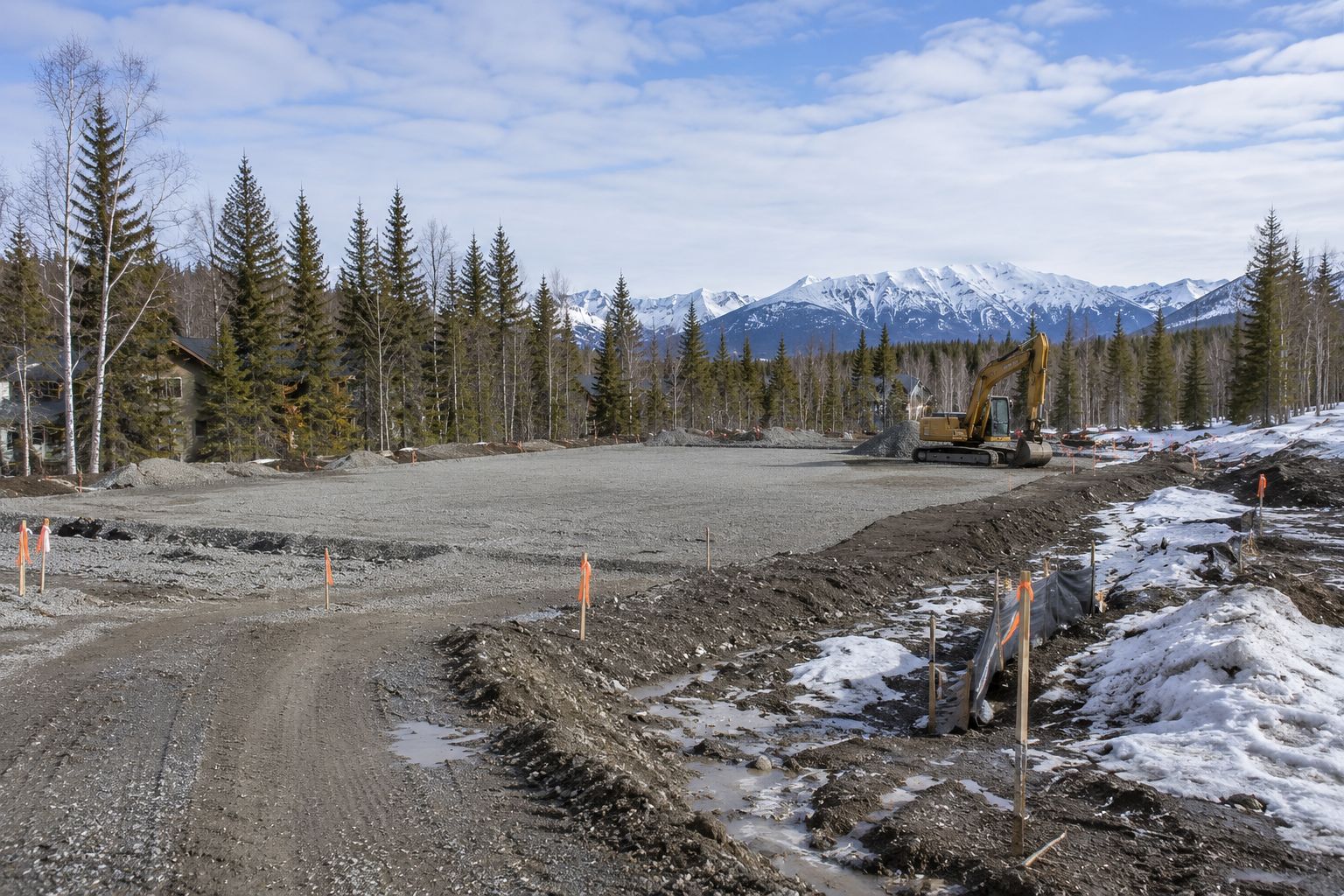
A thorough site assessment helps identify environmentally sensitive areas, existing vegetation, and potential hazards. Professionals use this information to develop a plan that reduces disruption and encourages protection of such areas.
Soil Erosion Control
Erosion control measures, such as silt fences, sediment traps, and proper grading techniques, prevent soil from washing away during construction. Waterways are protected from sediment pollution and valuable topsoil can be preserved.
Vegetation Management
Selective clearing of vegetation decreases unnecessary uprooting and cutting down of trees and plants. Preserving existing vegetation helps maintain natural habitats and reduces the heat island effect in urban areas.
Water Conservation
Utilizing low-flow water fixtures for temporary facilities and implementing water-saving practices for dust suppression can significantly reduce water usage during construction.
Waste Management
A waste management plan promotes recycling and proper disposal of construction debris. This reduces the amount of waste sent to landfills and encourages using recycled materials.
Air Quality Management
Proper dust control measures, such as covering stockpiles and using mist cannons, suppress dust generation, protecting workers and the surrounding environment from air pollution.
Sustainable Materials And Technologies
Recycled Construction Materials
Using recycled concrete, asphalt, and steel can significantly reduce the environmental impact of resource extraction and processing.
Biodegradable Erosion Control Products
Erosion control solutions made from natural materials like straw or coir decompose over time, minimizing waste and promoting soil health.
Renewable Energy Sources
Utilizing solar panels or wind turbines to power temporary facilities during construction can significantly reduce reliance on fossil fuels.
The Role Of Professional Contractors
Professional contractors play a vital role in promoting sustainable site preparation practices. Their expertise in construction methods, regulations, and environmental considerations is crucial for developing and implementing effective plans. Working closely with architects, engineers, and ecological specialists ensures a holistic approach to sustainable construction.
As the construction industry continues to evolve, sustainable practices are a necessity. By taking a proactive approach, we can build a future where progress goes hand-in-hand with environmental responsibility.