Beyond the Basement: Exploring Residential Areas That Benefit from Professional Waterproofing
Water is essential for life, but uncontrolled water in your home can lead to big problems. Waterproofing your house, particularly areas like the basement that are prone to moisture is crucial for preventing leaks, mold growth, and structural damage. But the benefits of waterproofing extend beyond just basements. In this blog post, we'll explore the different ways waterproofing keeps your entire living space comfortable, safe, and dry.
Benefits Of Professional Waterproofing
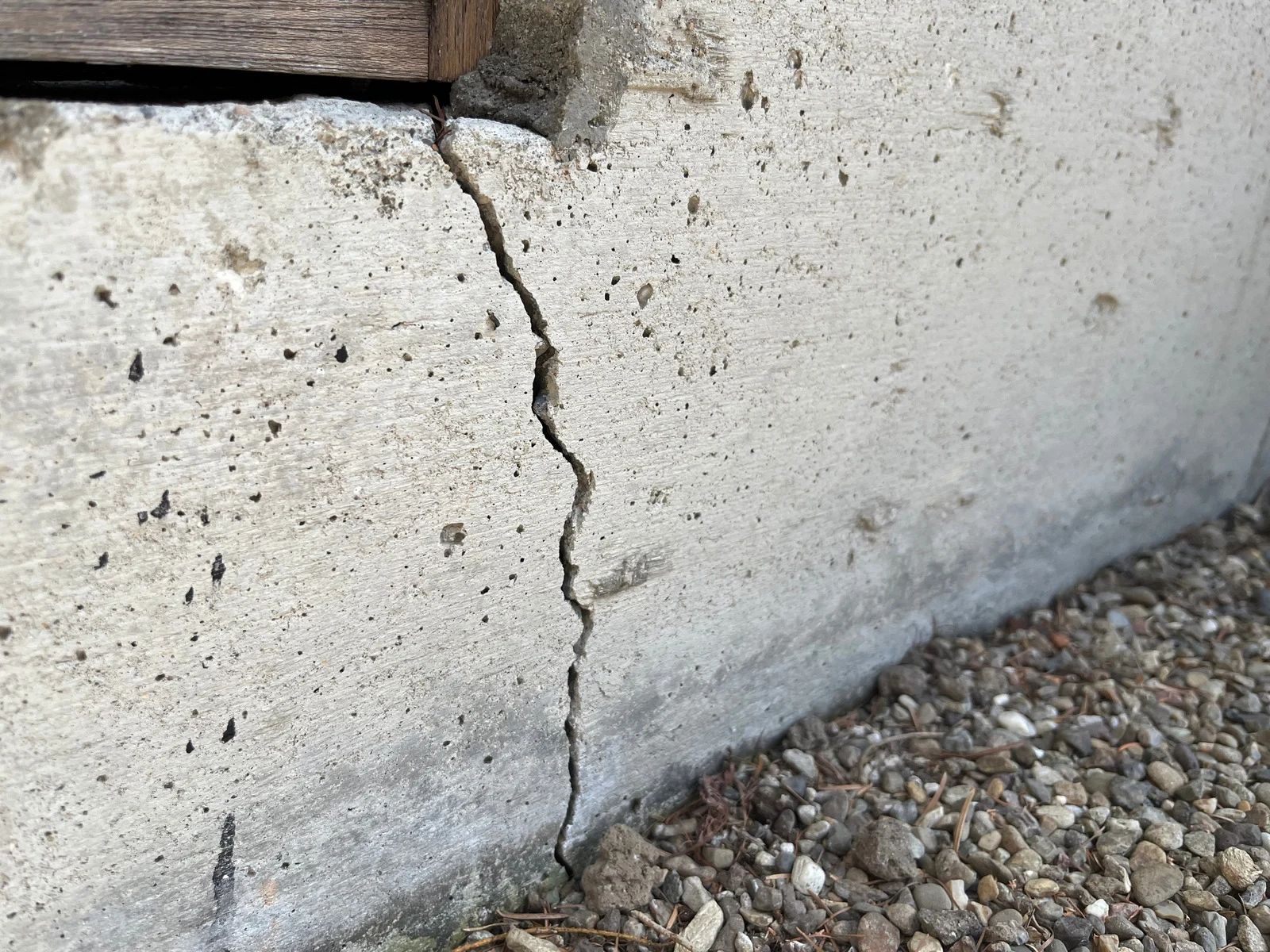
Water damage can be a homeowner's worst nightmare. It can ruin walls, floors, and furniture and lead to mold, which is terrible for our health. Waterproofing is like a shield for our homes. It stops water from getting in and causing trouble.
The Usual Suspect
Basements are famous for being damp because they are below ground level, making them more likely to get wet. Waterproofing a basement can stop water from seeping through walls and floors, keeping the basement dry and stopping mold from growing.
Protection Beyond The Basement
Other areas like bathrooms, kitchens, and even the outside walls of our homes can benefit from waterproofing. In bathrooms and kitchens, waterproofing stops water from leaking through tiles and ruining the house's structure. On the outside, it can protect the walls from rain and snow.
Professional Touch
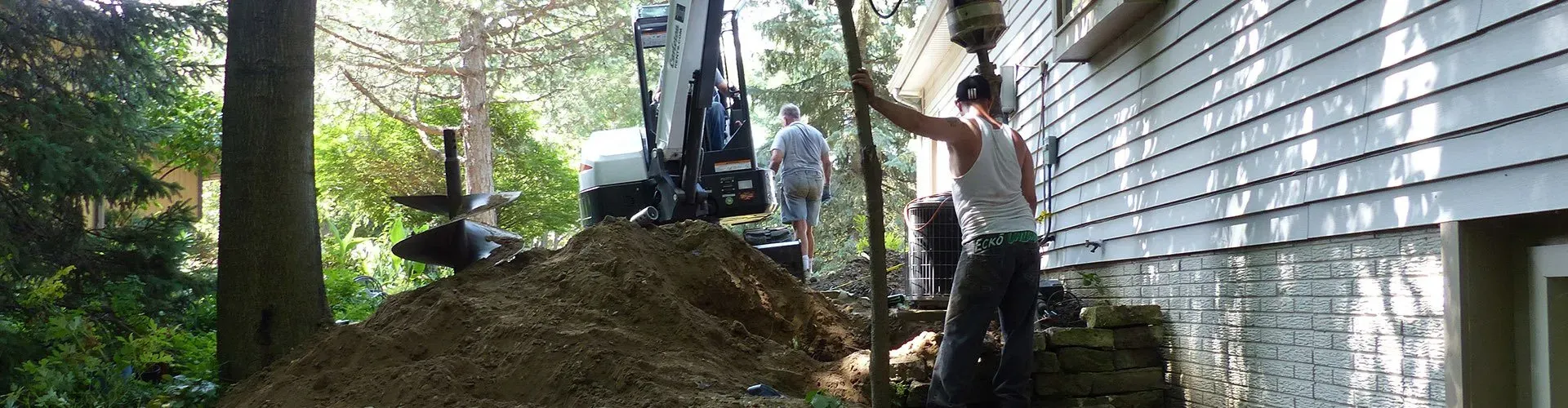
Doing waterproofing right can be challenging. It's a job for professionals. They know the best materials to use and how to apply them properly. They can ensure that every nook and cranny is tight so no water can enter.
Long-Term Savings
Waterproofing may be too expensive. But it's a wise investment. It can save money in the long run by preventing costly repairs due to water damage. It's better to spend a little now on waterproofing than a lot later on fixing a water-damaged home.
Peace of Mind
Waterproofing gives us peace of mind. We can relax knowing our homes are protected from water damage. This means less stress and more time to enjoy our cozy, dry homes.
Health Benefits
By preventing water infiltration and mold growth, waterproofing contributes to a healthier indoor environment. Mold spores and damp conditions can exacerbate respiratory issues and allergies, so a waterproof home promotes better respiratory health for occupants.
Extended Lifespan of Building Materials
Water damage can compromise the integrity of building materials such as wood, drywall, and concrete. By preventing water intrusion, waterproofing helps extend the lifespan of these materials, reducing the need for costly repairs or replacements over time.
Energy Efficiency
Waterproofing can help increase energy efficiency by closing cracks and gaps that allow air to enter or exit. An appropriately sealed building envelope maintains constant interior temperatures, lessens the strain on heating and cooling systems, and lowers energy costs.
Waterproofing is for more than just basements. It is an intelligent choice for many areas of our homes. It keeps our living spaces dry, safe, and free from mold. It's a job best left to professionals and an investment that pays off by saving us from future repairs. So, let's give our homes the protection they deserve with professional waterproofing.